Poetry at the Post: I am a Nomad

“The Dancers in the Plaza”
“Nomad’s Song”

JOHN GOULD FLETCHER

Let mine lips salute the rain—
Salute the rain—
As the sunlight blazes, wavers,
over the long stamping lines
of the dancers in the plaza:

I’ll never be the one
who grows roots out of her feet.
I’m a traveler.
I live to wander.

Alani map cc by 2.5
Alani map
cc by 2.5

There have always been nomadic folk:

the Bastarnae,
the Samartians
the Alans,
the Costoboci,
the Carpi too.

We all have our reasons:

Wanderlust?
A search for new lands?
Opposition to status?
A desire to leave behind guilt and depression?
Or just a yen to see it all?

John Gould Fletcher
John Gould Fletcher

Originally from Arkansas, John Gould Fletcher spent much of his life in England. He eventually retuned to Arkansas with his second wife, the noted author of children’s books, Charlie May Simon. They built a house outside of Little Rock but traveled frequently to New York, the Southwest. Sadly, suffering from depression, Fletcher committed suicide by drowning himself in a pond nearby his home.

NOMAD’s SONG

By the blaze of the last campfire
We will eat, we will drink, we will be merry.

Whether you are the one who stays or the one who wanders, be merry.

Poetry at the Post : Here Come The Barbarians

Waiting for the Barbarians
BY C. P. CAVAFY, AS TRANSLATED BY EDMUND KEELEY AND PHILIP SHERRARD

What are we waiting for, assembled in the forum?

The barbarians are due here today.

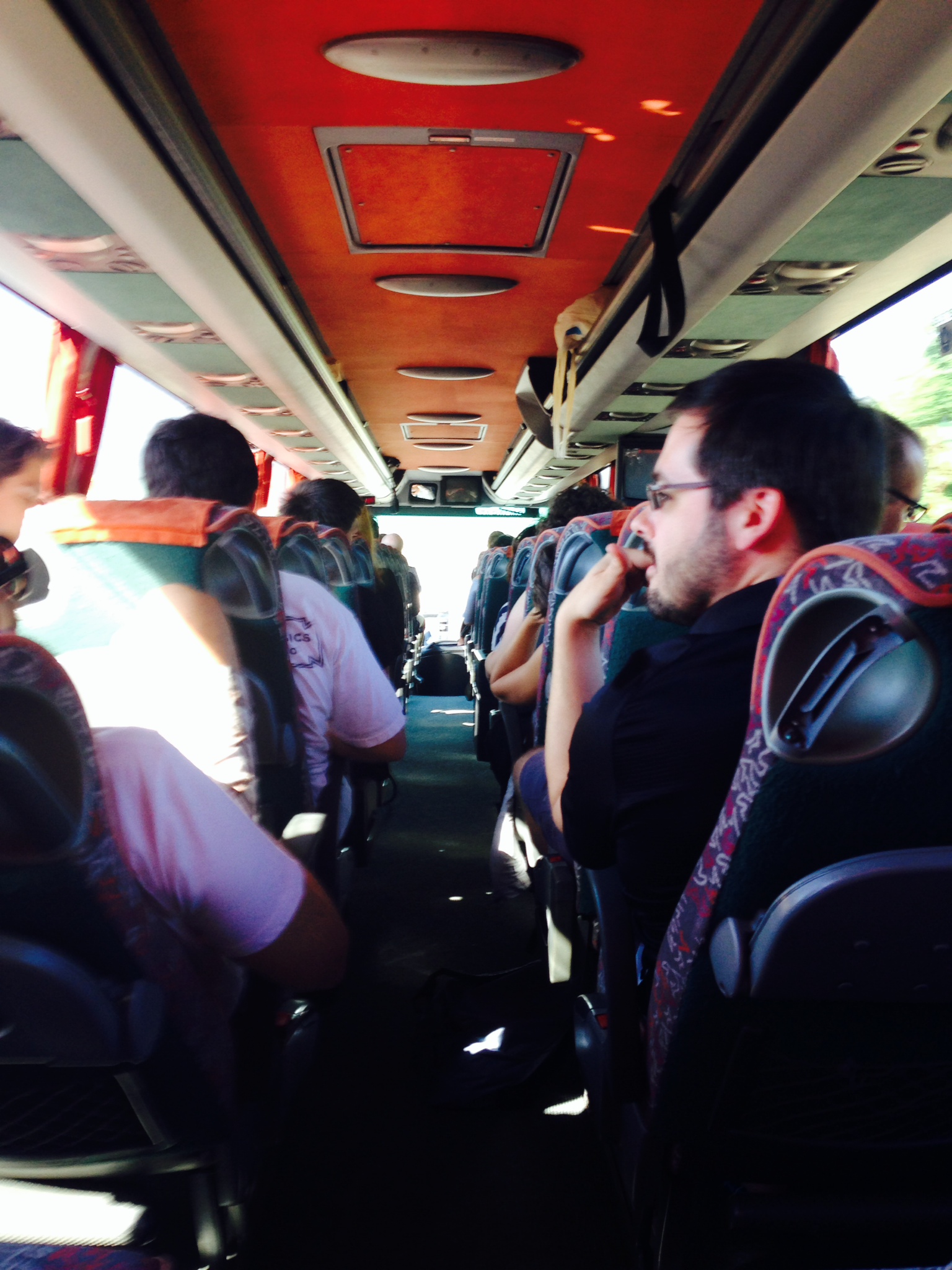
I had one of those once-in-a-lifetime opportunities this summer to take a course at Central European University in Budapest. For one week, our group of twenty-six considered the transformation of the borders from the 2nd to 6th century CE.

I am still trying to unwrap the experience. The lone poet amidst a group of late antiquity scholars, I listened.

Day 1

“The relationship between the barbarians and the Roman Empire was never a neutral subject. Much less could it be today…” began Professor Rita Lizzi Testa. Yes, I think. Of course, here come the barbarians.

What caused the fall of the Roman Empire? Invasion and ruin?

Did Rome ever Fall? Or did the barbarians merely “seep” inside to be gradually accommodated?

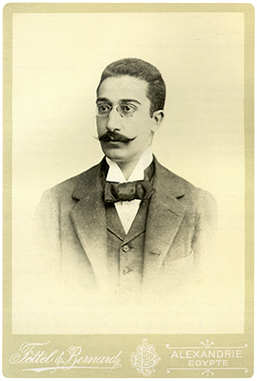
Cavafy1900

In “Waiting for the Barbarians,” C.P. Cavafy, echoes the views of the late nineteenth century historians: “…the idea that the end of of the Roman Empire (or perhaps as Cavafy suggests all empires) was the result of a ‘fatal disease…'” or its own decadence.

Why have our two consuls and praetors come out today
wearing their embroidered, their scarlet togas?
Why have they put on bracelets with so many amethysts,
rings sparkling with magnificent emeralds?
Why are they carrying elegant canes
beautifully worked in silver and gold?

Because the barbarians are coming today
and things like that dazzle the barbarians
.

For me the fall or “unfall” of the Roman Empire is of passing interest but I am bothered by borders and the concept of “barbarians.”

They are the ones on the other side of the wall, the limes.
They are “the others.”
What would happen if the borders disappeared? Cavafy had a theory.

Because night has fallen and the barbarians haven’t come.
And some of our men just in from the border say
there are no barbarians any longer.

Now what’s going to happen to us without barbarians?
Those people were a kind of solution.

Poetry at the Post-Prague: Splendour Falls on Castle Walls

from The Princess: The Splendour Falls on Castle Walls
BY ALFRED, LORD TENNYSON

The splendour falls on castle walls

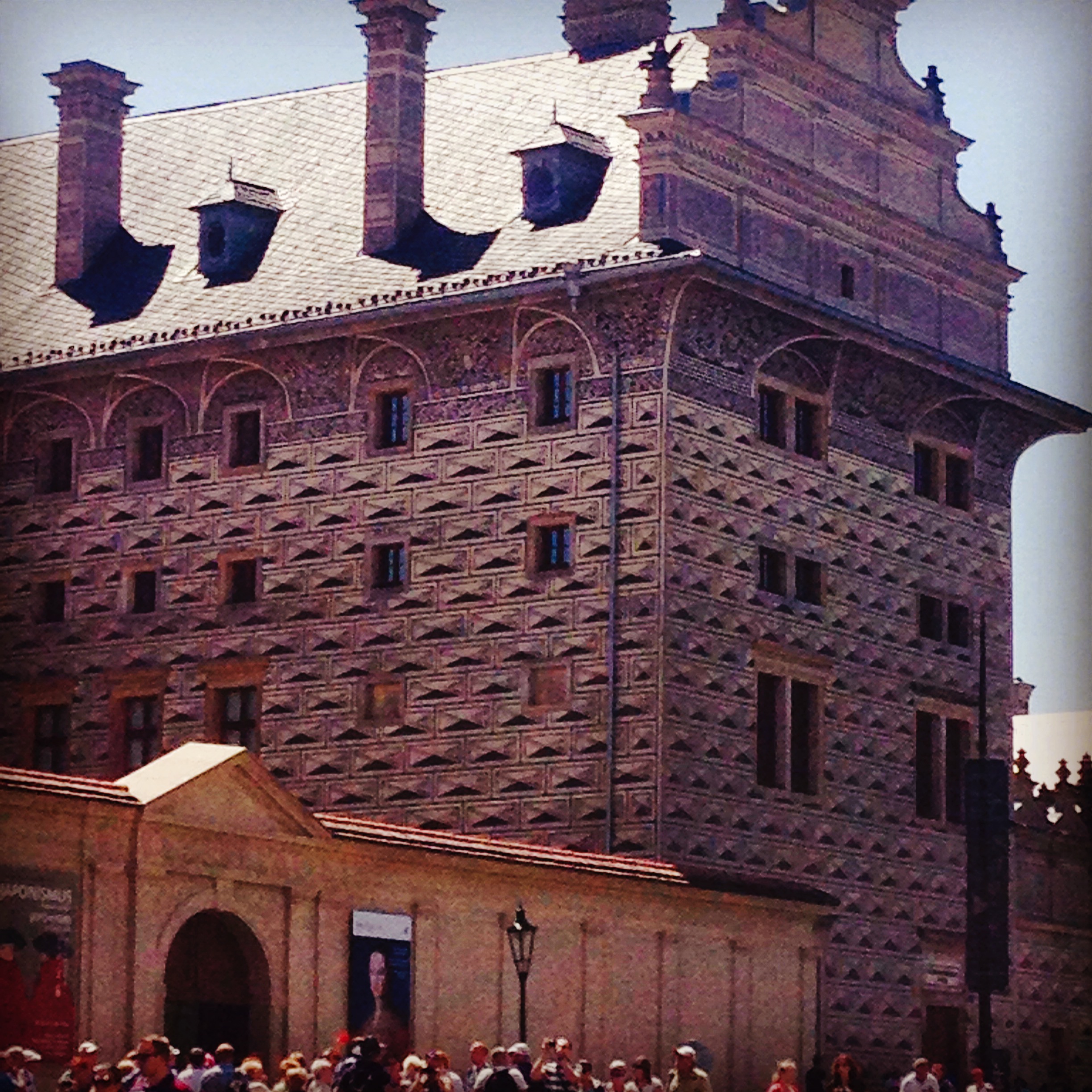
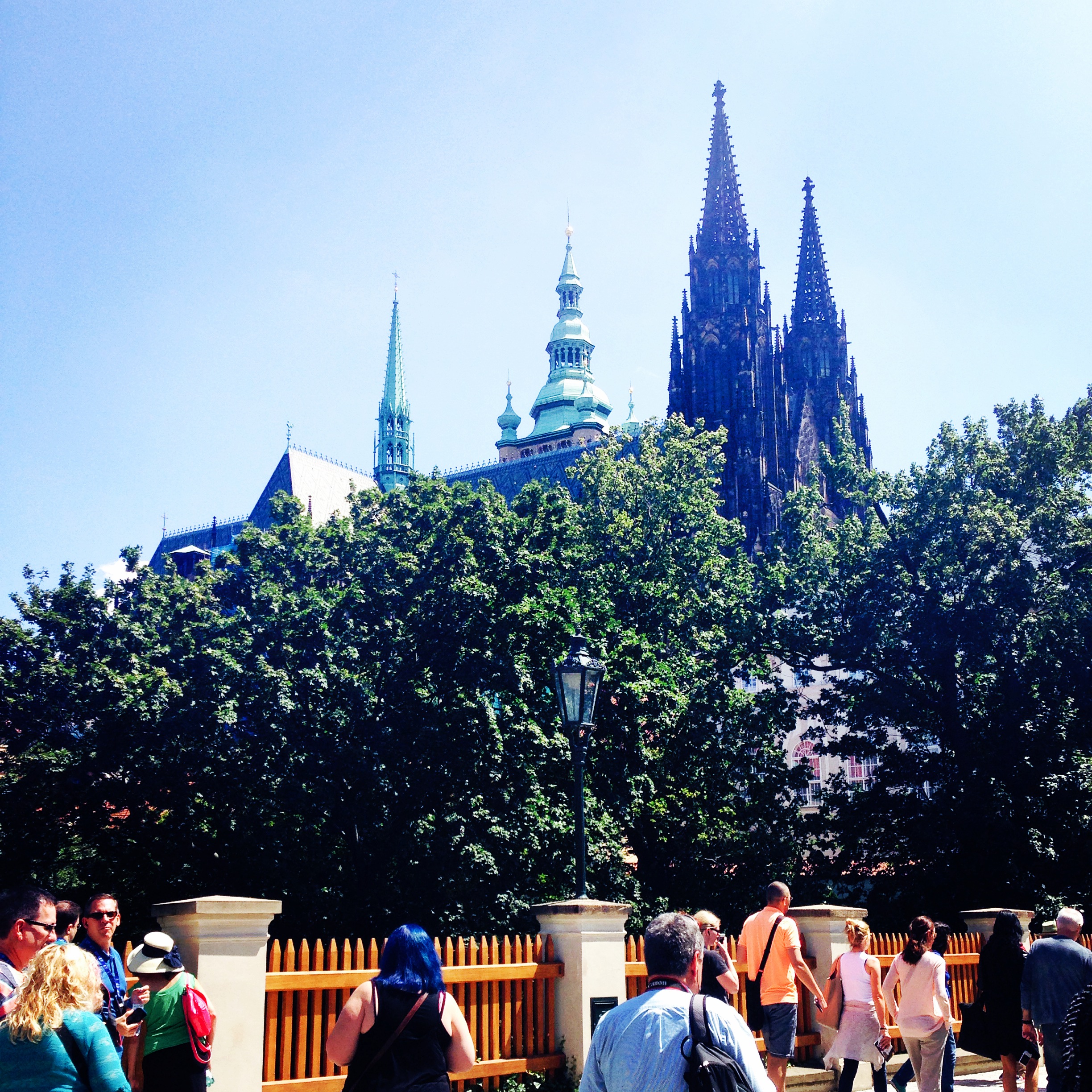
Prague is medieval opulence mixed with Hapsburg over-the-top.
More than the castle itself, The Castle District is something else.

St. Vitus Cathedral, St. George’s Basilica, The Royal Gardens, and…

I think I like Prague but I can’t figure it out, certainly not
culturally or language-wise but also at the most basic level.

I get lost wherever I go. I ask for help, then end up
somewhere
I did not want to go.

The Castle District. Yes,
it is stunning. Yes,
Hitler spared it. Yes,
it is worth a visit—
despite the crowds.

Yet…yet…
Achingly lovely…
think of the other
99% or perhaps
the other 98.9%
back then.

prague3

O love, they die in yon rich sky,
They faint on hill or field or river:
Our echoes roll from soul to soul,
And grow for ever and for ever.

Poetry at the Post-Vienna: It’s All in the Red

Red Ghazal
BY AIMEE NEZHUKUMATATHIL

I’ve noticed after a few sips of tea, the tip of her tongue, thin and red/
with heat, quickens when she describes her cuts and bruises—deep violets and red.

Yesterday afternoon I took a visit to the Museum of Art History in Vienna.

The building is palatial and so is the collection. The museum was commissioned in the last quarter of the 19th century by the Emperor, Franz-Joseph I, who ruled for 68 years until his death in 1916.

Tragedy was not a stranger to the imperial family.

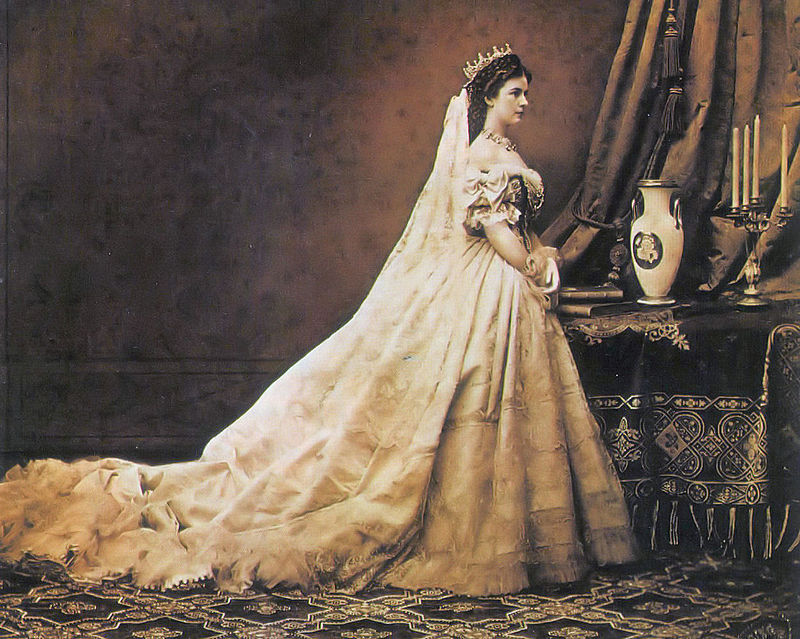
Franz-Joseph’s son died in a suicide pact with his mistress; his younger brother Maximilian was executed in Mexico; and his wife Elisabeth Amalia was stabbed to death by an assassin.

800px-Erzsebet_kiralyne_photo_Rabending

Franz-Joseph’s marriage was not the best as his love was not reciprocated by his mysterious and somewhat odd wife. Obsessed with her weight, Empress Elisabeth never allowed it to hover above 110 lbs by subscribing to a strict fasting and exercise regime.


He was so charming—pointed out planets, ghost galaxies, an ellipsis
of ants on the wall. And when he kissed me goodnight, my neck reddened.

Through this ghazal-I absolutely adore this form!—I discovered the poetry/of AIMEE NEZHUKUMATATHI. I find her work quite exciting and look forward to reading more.

Poetry at the Post-Pécs: Roman Limes, An Almond Tree

[Record no oiled tongue, diary]
BY DAN BEACHY-QUICK

Note the almond
Tree overmuch with fruit. The almond
Pressed is oil sweet.

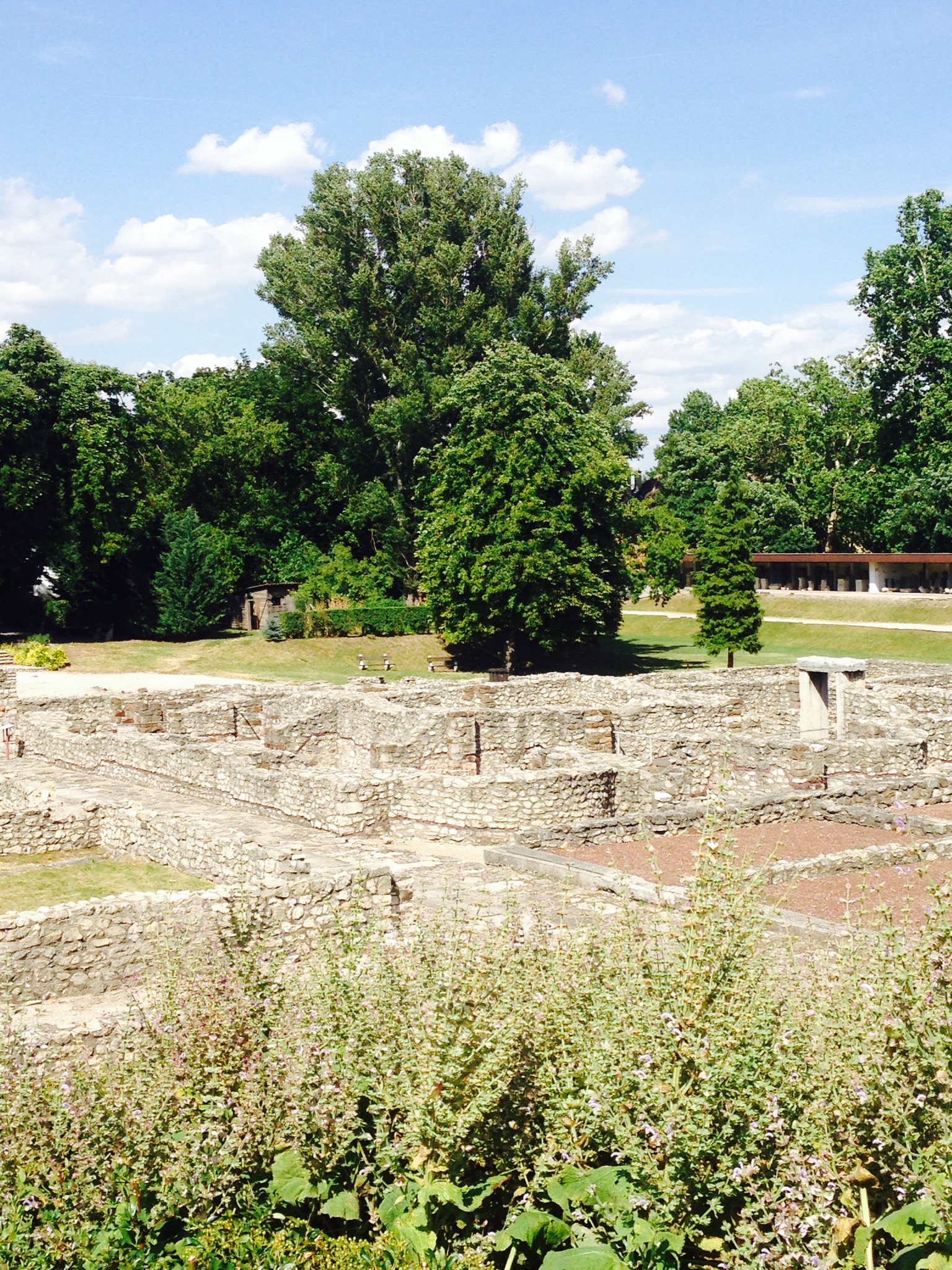
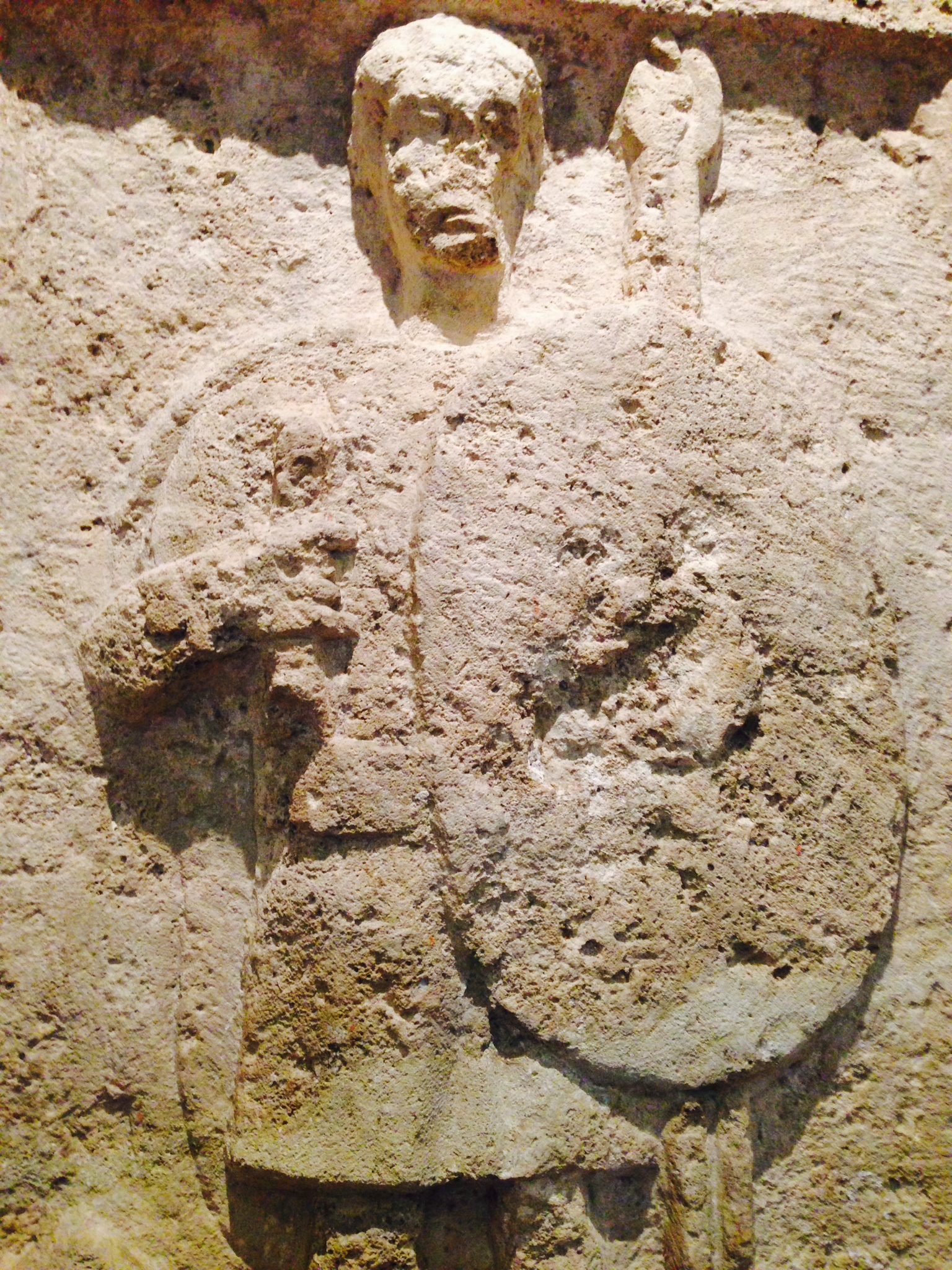
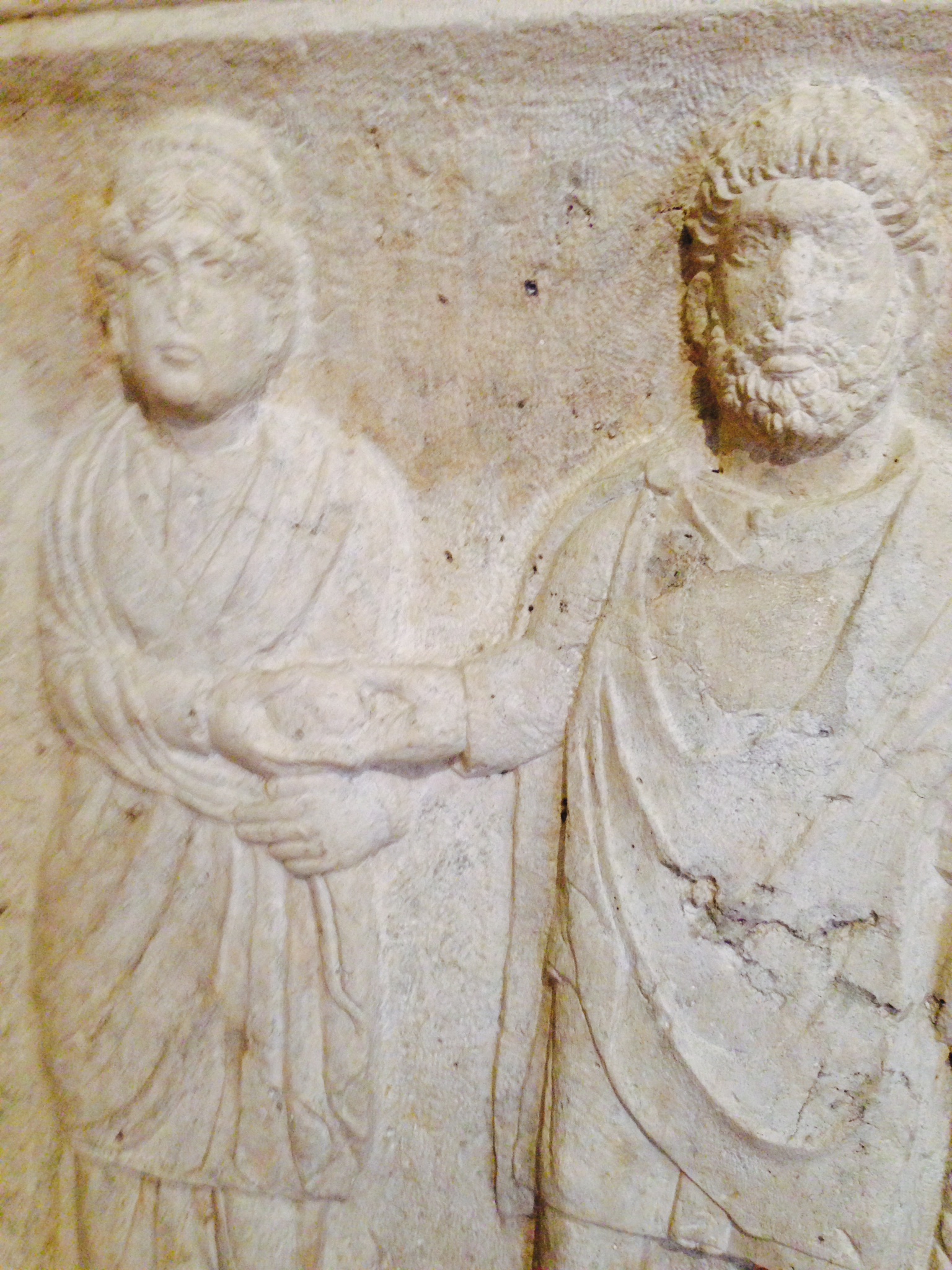
From the the ancient city of Aquincum,
the borders of Pannonia, across the limes,
the limits of the Rome, onward
to the Carpathian Basin of Pécs,
we traveled—
thirty-some seekers
of the ruins.

…Do you hear?
That pulse?

A whirl of images
the press of heat
the cool of blue
and the tree
of almonds…
dropping nuts
like bones.

Infinite
In store the game of this land.

Poetry at the Post-Budapest: Fever 103°, A Heat Wave Is Coming!

Fever 103°
BY SYLVIA PLATH

One scarf will catch and anchor in the wheel,
Such yellow sullen

I bought a new yellow scarf…

“A heat wave is coming to Budapest!” That is what the sales clerk told me.

… & then a white blouse,cool.

“It will be oppressive,” she said. “Close to 40. The heat will just sit in the air.”

…They will not rise,
But trundle round the globe
Choking the aged and the meek,

Oppression,
border shifts
regime changes.

I’ve taken
to touching
buildings,
to feel
the shifts
of salt, of grit,
the cleansings.

In the end, whenever or wherever we lived or live, we must find the “I.”

The beads of hot metal fly, and I love, I

Poetry at the Post-Budapest: Meditations on Marcus Aurelius

“Marcus Aurelius Rose”
BY LISA JARNOT

From the five good emperors
I have learned that there were five good emperors,

A trip to Aquincum, the ruins of an ancient city in Budapest, can lead one to other places. For me, the road circled back Marcus Aurelius, the Roman emperor who perhaps wrote a part of his book Meditations at Aquincum

“Whatever happens to you has been waiting to happen since the beginning of time. The twining strands of fate wove both of them together: your own existence and the things that happen to you.” (V. 8, trans. Gregory Hays)

“Soon you’ll be ashes or bones. A mere name at most—and even that is just a sound, an echo. The things we want in life are empty, stale, trivial” (V. 33, trans. Gregory Hays)

Remnants of antiquity remind me of the brevity of life. Breathe it in …hold it. And, then read this lovely poem by Lisa Jarnot.

From the window blinds, from the sun decayed,
from the heart, a brimming record braised and turned
.

Poetry at the Post-Budapest: Textiles, Connections & Natalia Toledo

“Huipil” by Natalia Toledo, as translated into English by Claire Sullivan

My skin bursts with the flowers etched upon my dress.

Anyone who has traveled to Mexico has seen a huipil, a traditional garment decorated by hand-woven designs, embroidery, ribbons or lace.

in Hungary there are beautiful embroidered blouses; many of the designs remind me of the huipeles or of Mexico. Some, depending on the region, are more decorated than others.

I am going to the fiestas to dance…


Photo courtesy of Comcast

There is one that is white with a few simple flowers at the collar that evoke the Mayan dress of the Yucatan. It causes one to consider the origins of the Mayas, their proposed Asian connection.

I don’t know anything about such matters except that when I try to decipher the indigenous languages of Mexico or Hungarian, I am totally confused.

Ruyadxie’ lii sica ruyadxi guragu’ guibá’,
ribaque chaahue’ lii ndaani’ guiña candanaxhi guiriziña

Poetry at the Post-Budapest: The Herend Royal Garden & Marianne Moore

“Nine Nectarines and Other Porcelain” by Marianne Moore

through slender crescent leaves
of green or blue—or both

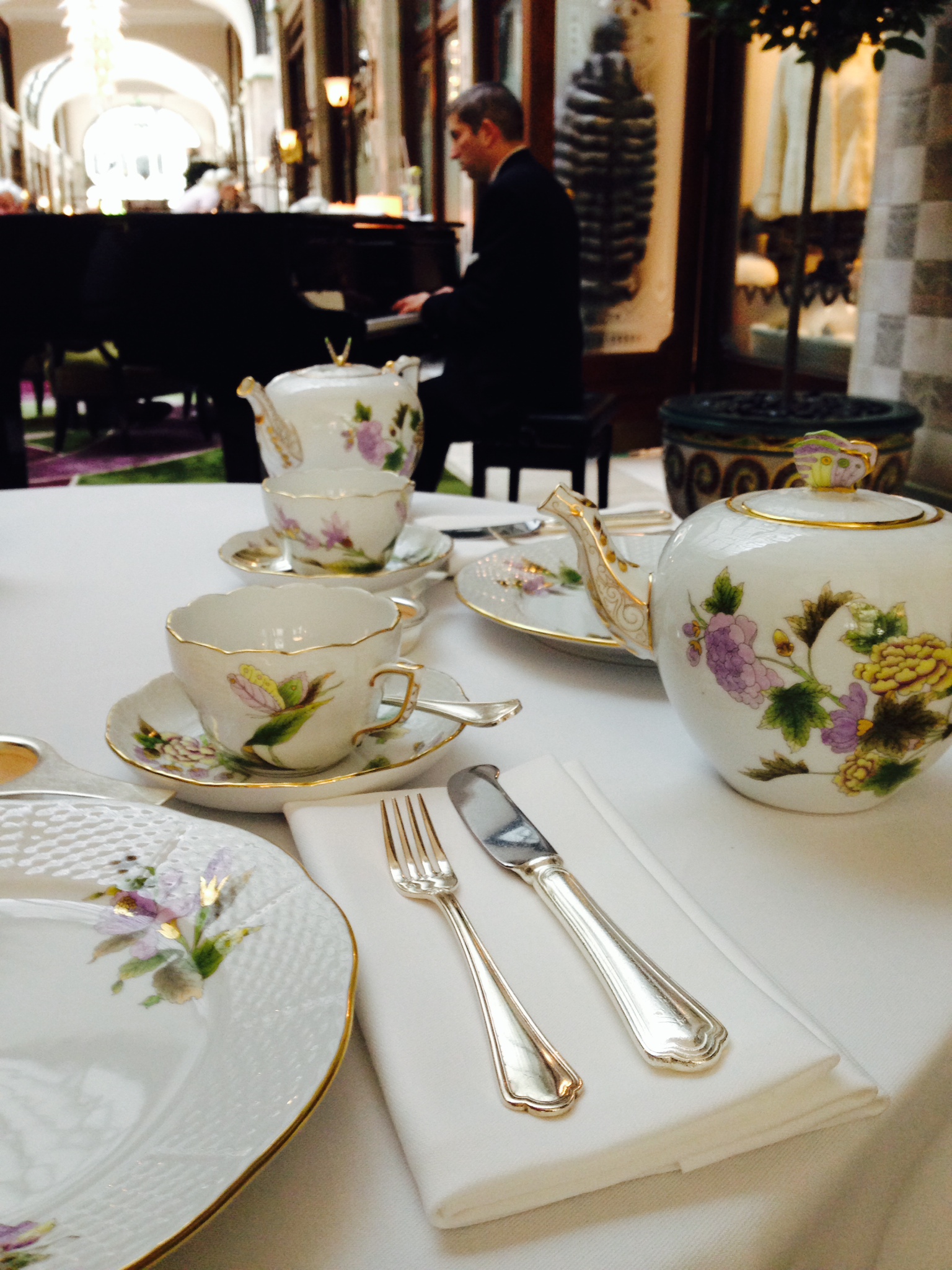
Stopping for afternoon tea at The Four Seasons Hotel on a steamy Budapest afternoon, I found coolness and calm in the restored 1906 art nouveau Gresham Palace. I also found porcelain.

The Herend Porcelain Manufactory was founded in 1826 and has been producing hand painted pottery pieces ever since.

Tea was served on porcelain in “The Royal Garden Pattern. ” This is a modern age variation of the Victoria pattern with a focus on the Peony. Purple is the traditional color for royalty and the tea was a nod to the regal after an afternoon enmeshed in the terrors of the Nazi and Communist years.

Sadly, as presented in Marianne Mooore’s hauntingly lovely poem “Nine Nectarines and Other Porcelain,” the peony like the “red/cheeked peach cannot aid the dead.”

Poetry at the Post-In Transit: Shelling Beans While Flying

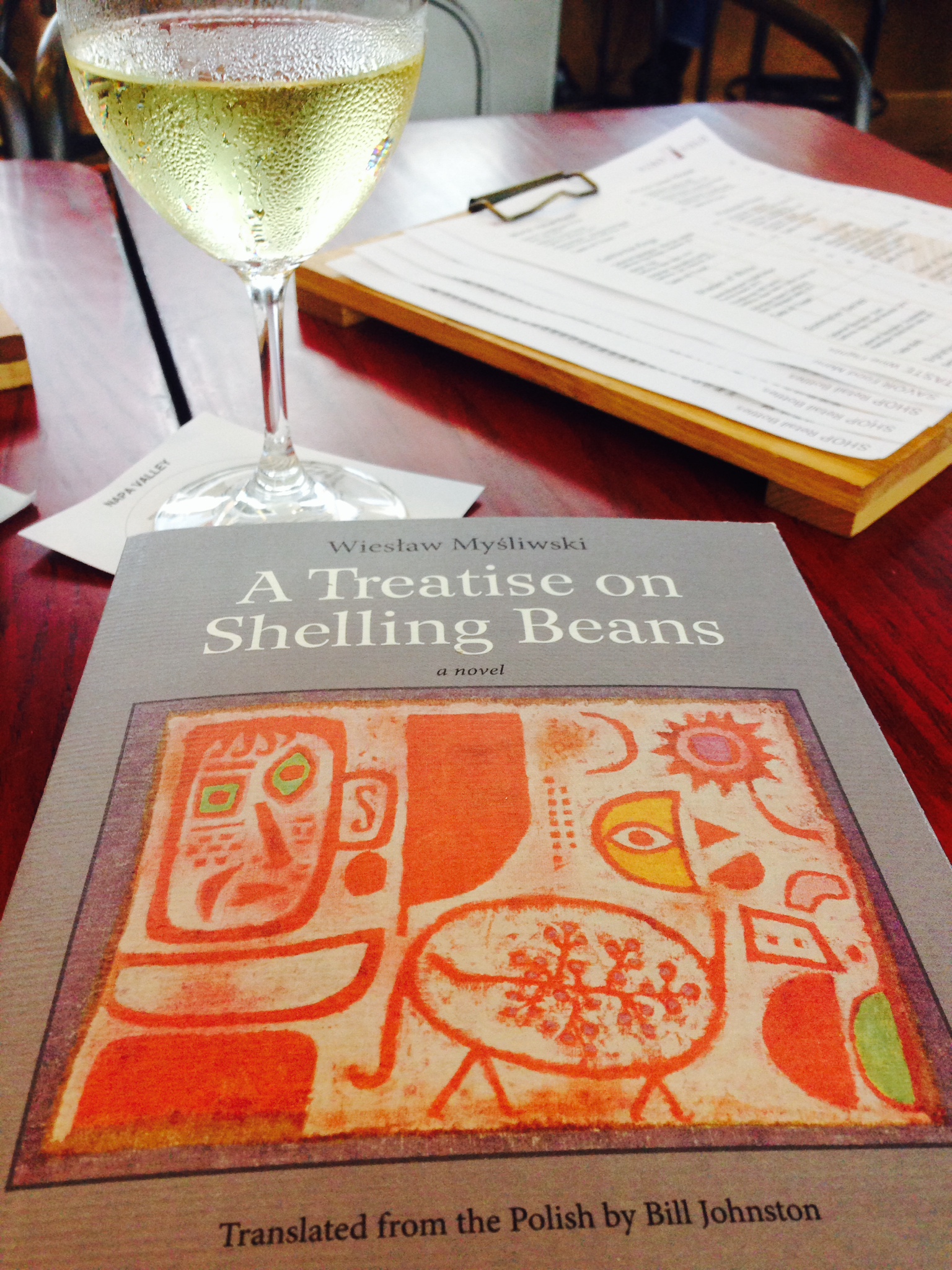
A Treatise on Shelling Beans by Wiesław Myśliwski, as translated by Bill Johnston
Archipelago Books, 2013

When people can be divided by something the always will be.
It doesn’t have to be a river

As I waited for my flight across the Atlantic Ocean, I considered borders-those divisions that exist inside and out There’s the ocean, the language & the fear of crossing.

It’s the tension between wanting to go and wanting to stay.

…he invited me to at least come for the mushroom picking.

polish 2

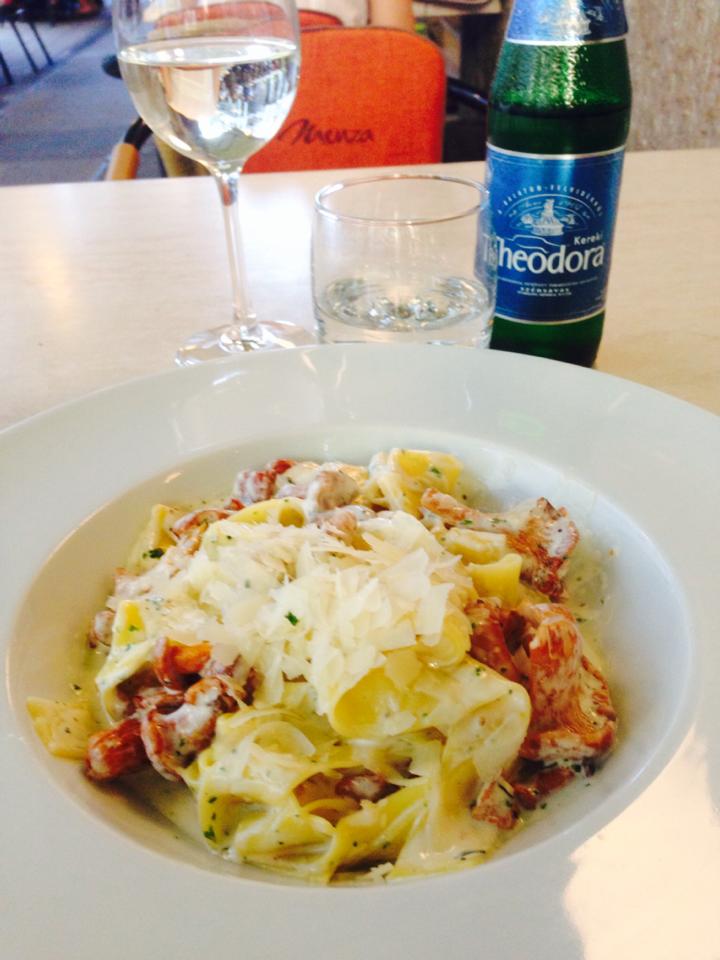
But if you do not make the journey, you may not taste the pappardelle, the butter cream, the chanterelles.

But don’t give up, Never give up. It doesn’t always repay people, but maybe with you it will.

Whatever it is you love, you want, don’t give up.