On Gardens
BY RICK BAROT
When I read about the garden
designed to bloom only white flowers,
I think about the Spanish friar who saw one
of my grandmothers, two hundred years
removed, …

Cuilapan de Guerrero
Oaxaca

On Gardens
BY RICK BAROT
When I read about the garden
designed to bloom only white flowers,
I think about the Spanish friar who saw one
of my grandmothers, two hundred years
removed, …
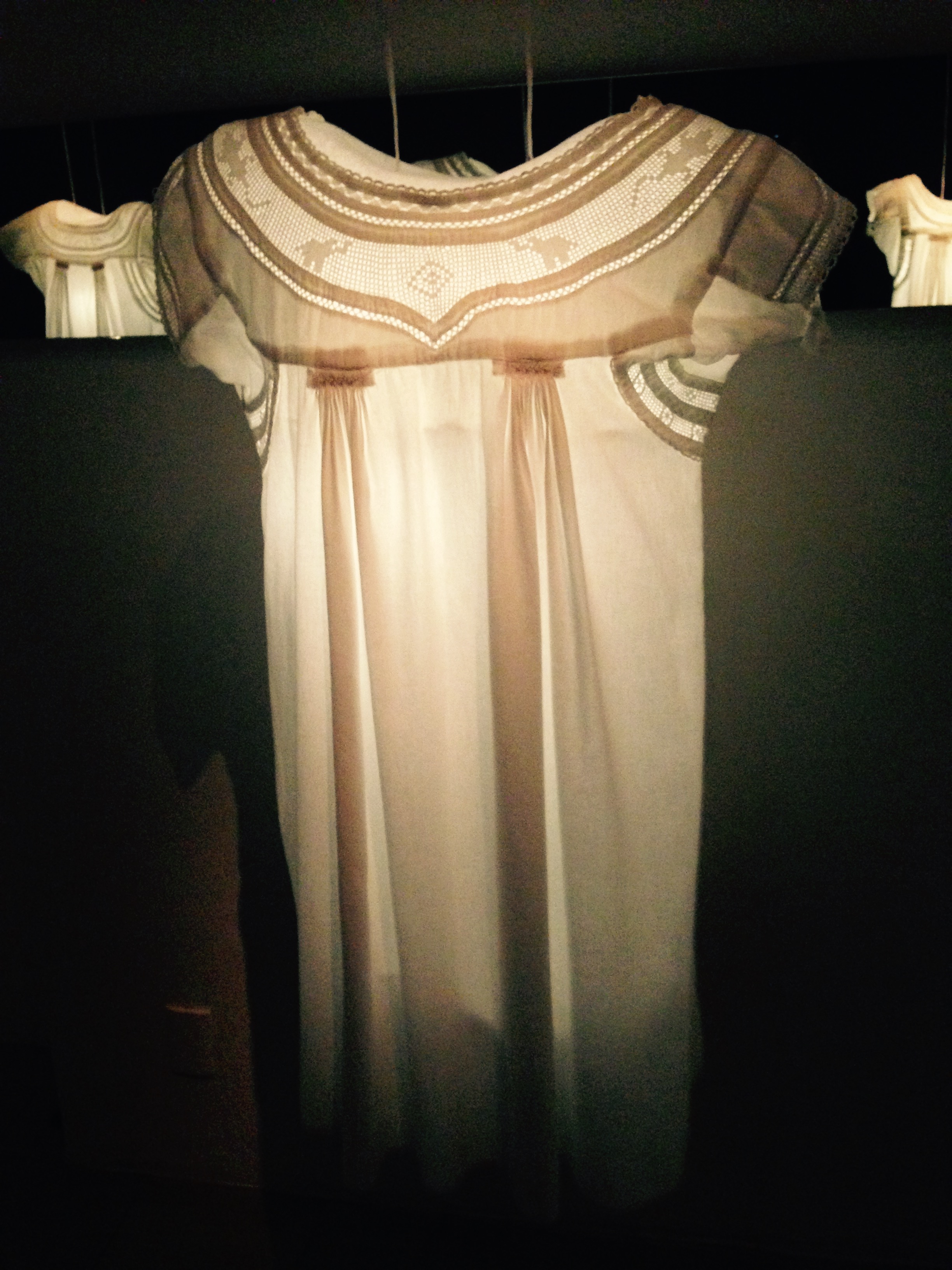
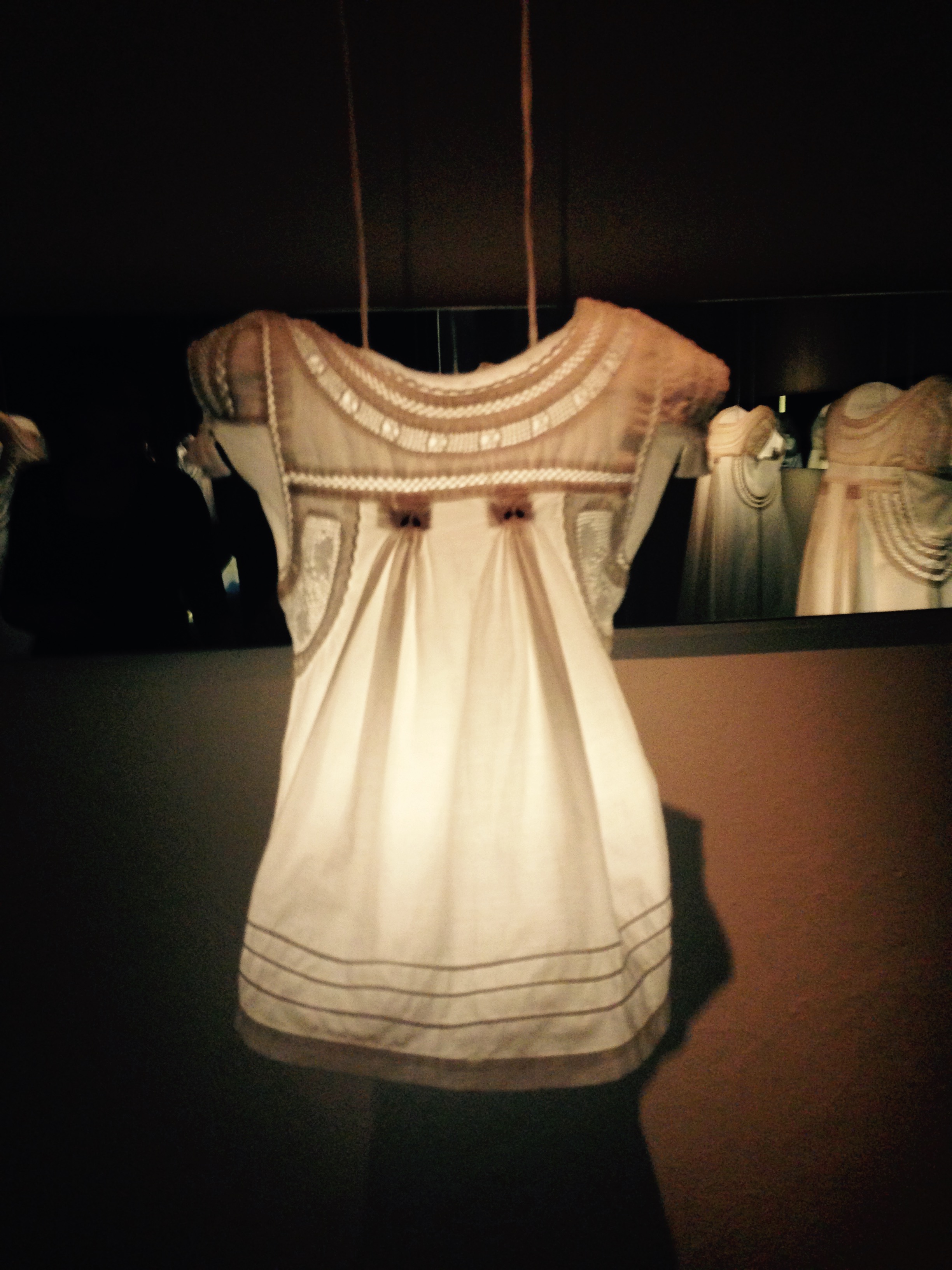
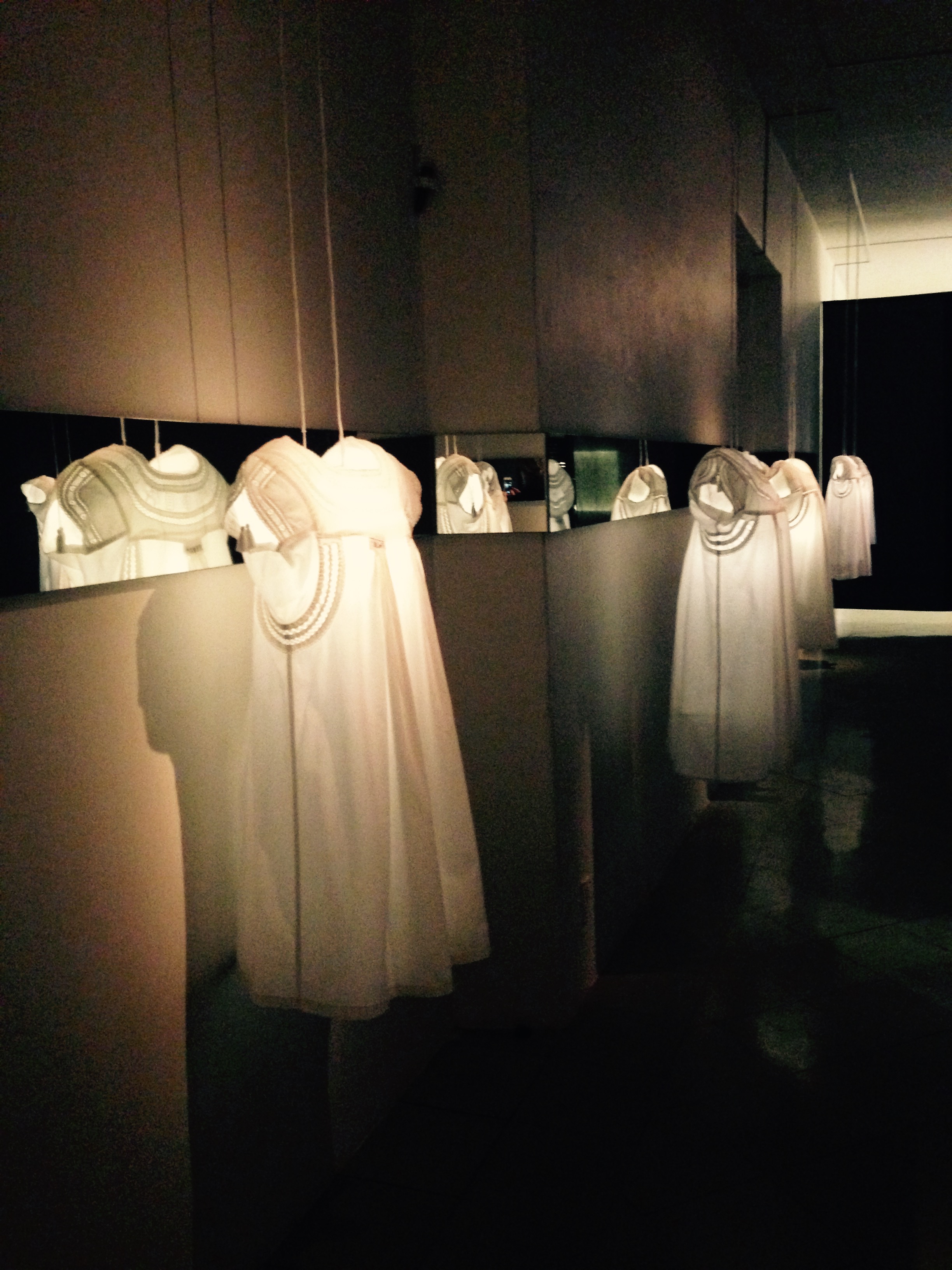
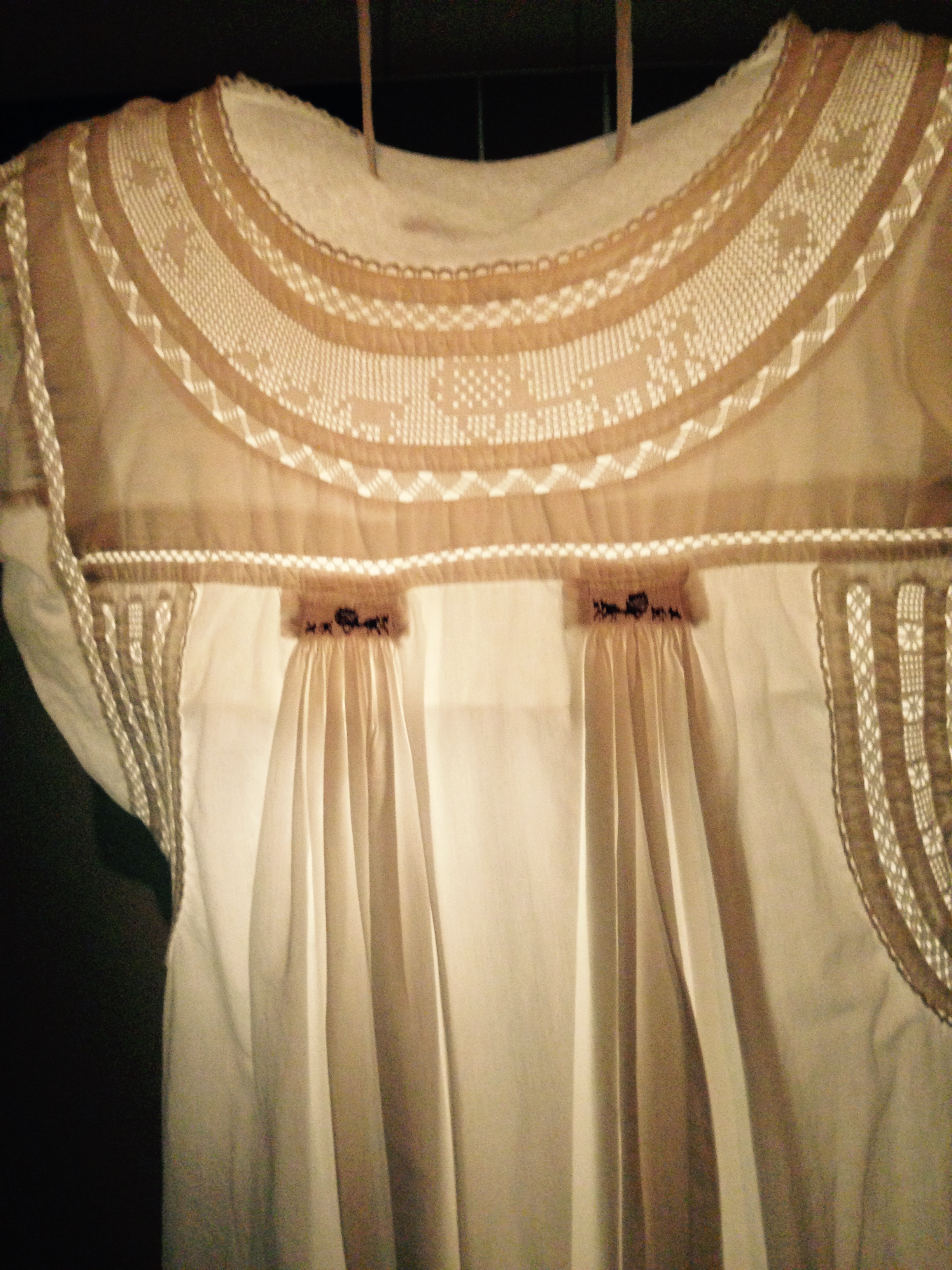
Wedding Dress
BY MICHAEL WATERS
That Halloween I wore your wedding dress,
our children spooked & wouldn’t speak for days…
On Quitting
BY EDGAR ALBERT GUEST
How much grit do you think you’ve got?
Can you quit a thing that you like a lot?
You may talk of pluck; it’s an easy word,
And where’er you go it is often heard;
But can you tell to a jot or guess
Just how much courage you now possess?…
I read somewhere that one way to deal with rejections is to display them on a wall of shame… so here are my additions for yesterday.
August 12, 2015
Thank you for sending us “Crossing Boundaries”. We appreciate the chance to read your submission; however, we feel the work is not quite the right fit for our journal at this time.
We wish you all the best with your poetry and creative endeavors.
August 12, 2015
Thanks again for sharing this. There were many excellent poems submitted to this challenge, with range of excellent responses, but we received 117* poems in total, and the artist and I could each only pick one.
(*Somehow telling me the number—which is really quite small–makes me feel worse.)
Last night I vowed to quit poetry but as of this morning I’m leaning slightly more to the category “maybe not.”

The Conqueror Worm
BY EDGAR ALLAN POE
…The curtain, a funeral pall,
Comes down with the rush of a storm,
While the angels, all pallid and wan,
Uprising, unveiling, affirm
That the play is the tragedy, “Man,”
And its hero, the Conqueror Worm.
I’ve been thinking about the Spanish Conquest, the “christianizing” of the New World and Edgar Allen Poe—a poet held dear by many writers in Mexico. A curious thing—but perhaps because of his Gothic and macabre style.
Mad Song
BY WILLIAM BLAKE
The wild winds weep,
And the night is a-cold;
Come hither, Sleep,
And my griefs infold:
But lo! the morning peeps
Over the eastern steeps,
And the rustling birds of dawn
The earth do scorn.

CALL FOR PAPERS
“Mad Love”, UCLA Comparative Literature Graduate Student Conference (February 19-20, 2016)
Due: 21 September
The contested boundary between madness and love regularly reasserts itself throughout recorded history. We can trace the shifting relationship between these two phenomena across most (if not all) societies and epochs, particularly in literature and art. From lovesickness in the Middle Ages, to nymphomania and hysteria in the Enlightenment, to the stalker in American horror films, the boundary between love and madness is often blurred.
In keeping with recent critical attention to the history of the passions and the body, we are interested in the aesthetic representation – literary, visual, and oral – of love madness. How are these extreme states represented in literature and art? Where is the line drawn between passionate love and mad love? How has the representation of love and/or/as madness changed over time, and what effect has this had on real-world treatment of the mentally ill? How is space left for mad love as a positive or subversive force, if at all?
This year’s UCLA Comparative Literature Graduate Conference will explore the many manifestations of mad love in literature and cultural history. We invite graduate students to present papers on related issues. Topics on the intersections between social conceptions and artistic depictions of love and madness might include, but are not restricted to:
Love as a disease
Love, madness, and psychoanalysis
Bodies performing desire
Love, madness, and identity
Gendering desire and/or madness
Love, madness, and violence
Monstrous love
Creative production/inspiration and love/madness
The role of the sensory in love and madness
Mental Health and Human Rights
Please submit your 250-300 word proposal/abstract and a CV to ucla.complit.conf@gmail.com by Monday, September 21st. Kindly mention “Submission: CLGraduate Conference” in the subject of the e-mail. All submissions should include the title of the paper, the abstract, and the name, affiliation, and contact information of the author. Please specify whether you are interested in (a) presenting a paper or (b) presenting/performing a creative work. If you are proposing a creative work, please specify any A/V needs and the length of the presentation.
Further information is available on the conference website at uclacomplitconf.com. For any additional queries, please contact ucla.complit.conf@gmail.com.
From Mimesis
BY FADY JOUDAH
She said that’s how others Become refugees isn’t it?
 May 27, 2015
Austin, TX
4:30 am:
Off to catch a flight for Louisville, KY. Spalding MFA Homecoming. A few days of writerly events, visits with fellow alums & bourbon!
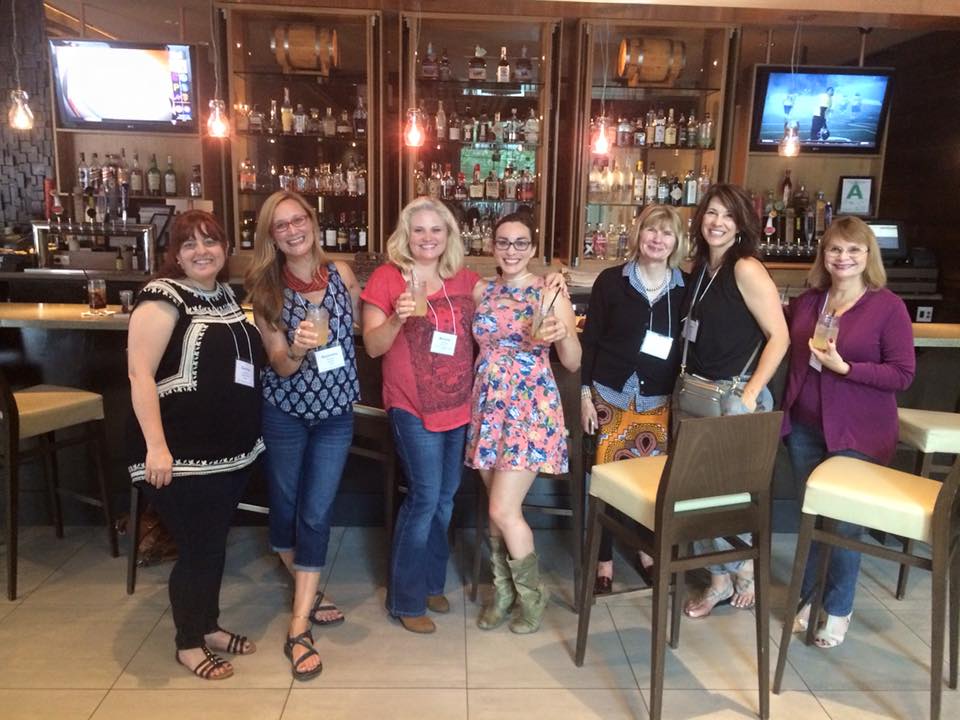
Reflecting back
food fragment
Louisville is more than the epicenter for bourbon and the “Hot Brown” but also a bit of a foodie destination. (I’m not the first to have made that discovery. In 2014, Saveur magazine credited Louisville as “Notable” in the Best Culinary Destination category for cities with populations under 800,000.)
In fact, during my visit, food (and, bourbon, of course) began to take up more and mental real estate.
mujadarah at Safier Mediterranean Deli, black pepper chèvre & green tomato jam at Harvest, lobster mac and cheese at Brown Hotel lobby bar..
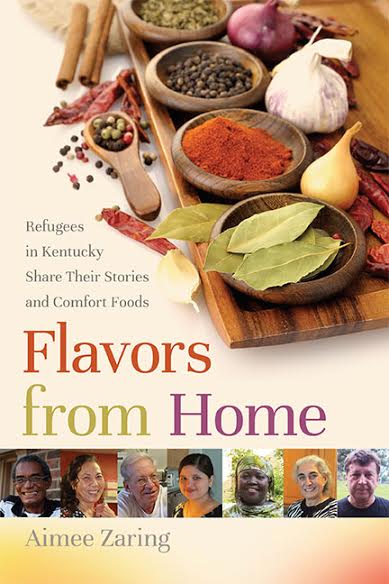
One of the writerly highlights of the week was meeting Aimee Zaring, fellow alum and author of Flavors from Home: Refugees in Kentucky Share Their Stories and Comfort Foods.

Flavors from Home is a story board of refugee experiences laced with recipes tried and tested by Aimee.
“In Flavors from Home, Aimee Zaring has crafted not just a book of delicious recipes, but a beautiful meditation on exile, place, and cultural identity. The moving stories of these cooks and their recipes are a feast for the spirit.”―Jason Howard, author of A Few Honest Words.

23 refugees, 42 recipes and 13 countries—from Bhutan to Cuba and Rwanda to Iran. This is a not-to-be-missed read-not only for Aimee’s insights into the realities of the refugee experience but also for the opportunity to escape the rut of the same-ole-same-ole dishes every week and try something new. I know I need to do that—maybe replace that tired pasta dish with…hmmm…spring rolls, anyone?

If you happen to find yourself in Kentucky over the next couple of months, you can find Aimee at the following events:
Fri., August 21: Homegrown Art, Music, and Spoken Word Show, Cedar Grove Coffee House, Shepherdsville, KY. Reading and Book Sales/Signing. 6-8 p.m.
Sat-Mon, Sept. 5th-7th: WorldFest on the Belvedere (in Global Village appearing with Global Commons booth) Lou, KY.
Sat., Sept. 12: St. Francis of Assisi Parish Hall, Louisville. Reading and Book Sales/Signing. Featured refugee guests and ethnic food samples. Donations
welcome. 7:00-8:30 p.m. Thurs., Sept. 17: Catholic Charities Annual Fundraiser “Celebration of Spirit and Success,” Crown Plaza Hotel, 830 Phillips Lane, Louisville. Book Sales and Signing, 6-9 p.m.
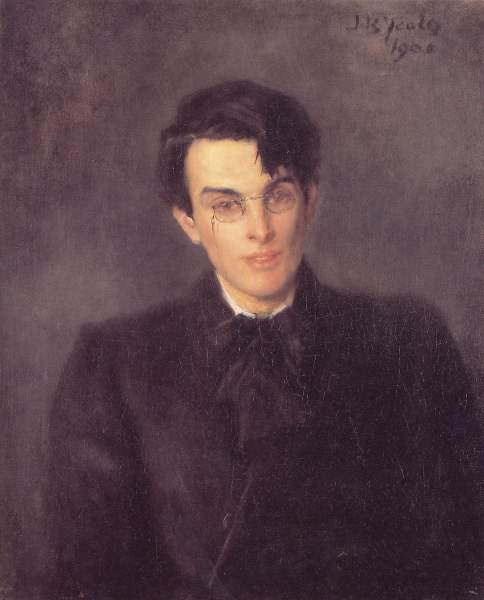
On being asked for a War Poem
BY WILLIAM BUTLER YEATS
I think it better that in times like these
A poet’s mouth be silent, for in truth
We have no gift to set a statesman right;
He has had enough of meddling who can please
A young girl in the indolence of her youth,
Or an old man upon a winter’s night.
CALL FOR PAPERS!
https://mail.google.com/mail/u/1/#inbox/14eff9c9d9819ad8
CLINA publishes articles and reviews on translation, interpreting and intercultural communication in two monographic issues per year with accepted proposals after a double-blind review process.
PERIODICITY OF CLINA: TWO ISSUES PER YEAR
LENGTH OF ARTICLES: 6,000-8,000 words (all inclusive)
LENGTH OF REVIEWS: 2,000-2,500 (all inclusive)
LANGUAGES OF THE JOURNAL: ENGLISH AND SPANISH
CURRENT CALL FOR PAPERS (to be published in 2016): Narrative, Social Narrative Theory and Translation Studies
Sue-Ann Harding (ed.) sharding@qf.org.qa
Full papers to be submitted by 30 SEPTEMBER 2015
Ever since Mona Baker’s ground-breaking monograph, Translation and Conflict: A Narrative Account (Routledge, 2006), there has been a growing interest, particularly amongst emerging scholars, in the use of social narrative theory as a conceptual and analytical tool for the investigation of translation, translations and translators. The diversity of applications in the field of translation and interpreting studies, including the areas of activism and social networks, fansubbing, geo-politics, global and online media, literature, localization, theatre studies, refugee and asylum studies, violent political conflict etc., is demonstrative of the rich potential of social narrative theory to interrogate and explain the purposes, effects and consequences of translation in our world(s). At the same time, there remains a need to thoroughly and critically engage with the theory itself, in order for it to become an ever more refined and coherent tool. The work of the communication theorists on which Baker first drew (e.g. Somers and Gibson, Bruner, and Fisher), as well as related theories such as complexity theory, metaphor, network theory and, of course, narratology, have much to offer to social narrative in terms of vocabulary, concepts and definitions.
This special issue aims to bring together the most recent scholarship in translation, interpreting and intercultural studies that draws explicitly on narrative and the tools of social narrative theory. We are interested in, and welcome, contributions that apply social narrative theory to new data, that use new methodologies in the application of the theory, and that not only use social-narrative theory as an analytical tool but also engage with and develop the theory itself, seeking to deepen and expand on the models already explored in the literature. In addition, we are also very interested in the work of narrative scholars who may not necessarily identify with the field of translation studies but are, nevertheless, working with translations, translators and/or intercultural communication.
For questions, please contact Sue-Ann Harding at sharding@qf.org.qa.

In Chicano Park
BY DAVID TOMAS MARTINEZ
No matter if all the murals decay
and the statue of Zapata falls,…
August 5, 2015
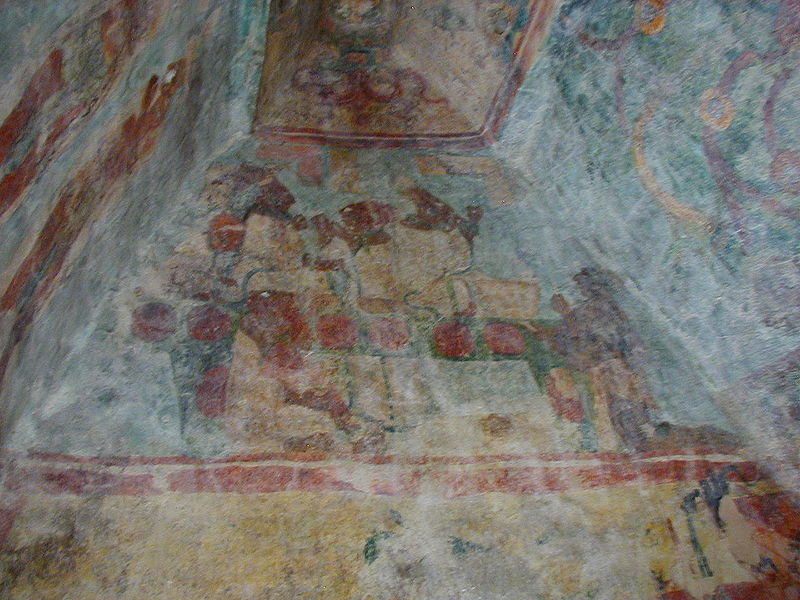
History of Art in Mexico/UABJO
This week focuses on the early cultures of Mesoamerica—the Olmec, Maya, and Aztecs! Today I am fascinated by the murals of Bonampak in Chiapas. Who wants to visit them with me?
The New Colossus
BY EMMA LAZARUS
Not like the brazen giant of Greek fame,
With conquering limbs astride from land to land;

August 4, 2015:
@Benito Juárez Autonomous University of Oaxaca
This week in art history, we’re taking a look at the colossus Olmec heads.
So far, 17 have been discovered. My favorite is No. 9.
Not only did I learn about the colossus heads today but now I know where the lines “Give me your tired, your poor/,Your huddled masses yearning to breathe free,…” engraved on the pedestal of The Statue of Liberty came from. Emma Lazarus!
A Satire upon the True-blue Protestant Poet T.S.
All human things are subject to decay,
And, when Fate summons, monarchs must obey:
This Flecknoe found, who, like Augustus, young
Was call’d to empire, and had govern’d long:
In prose and verse, was own’d, without dispute
Through all the realms of Non-sense, absolute.
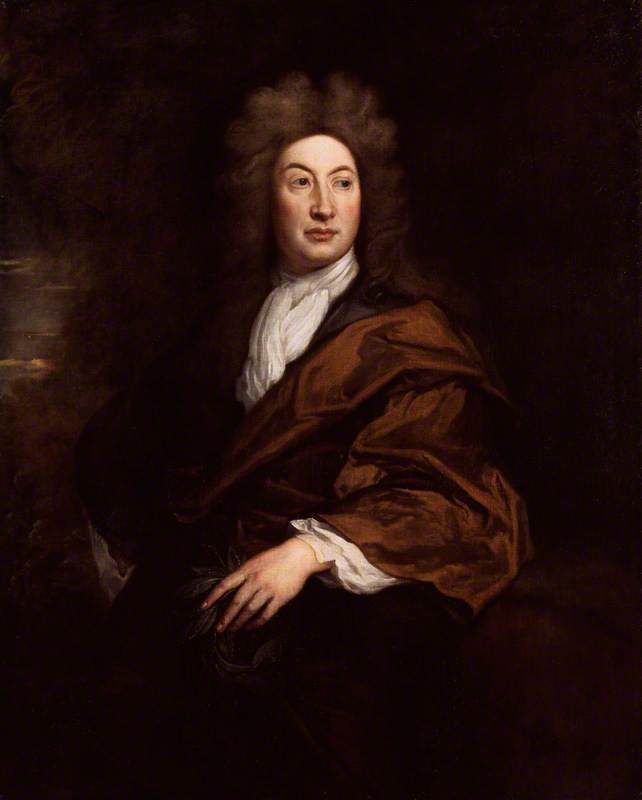
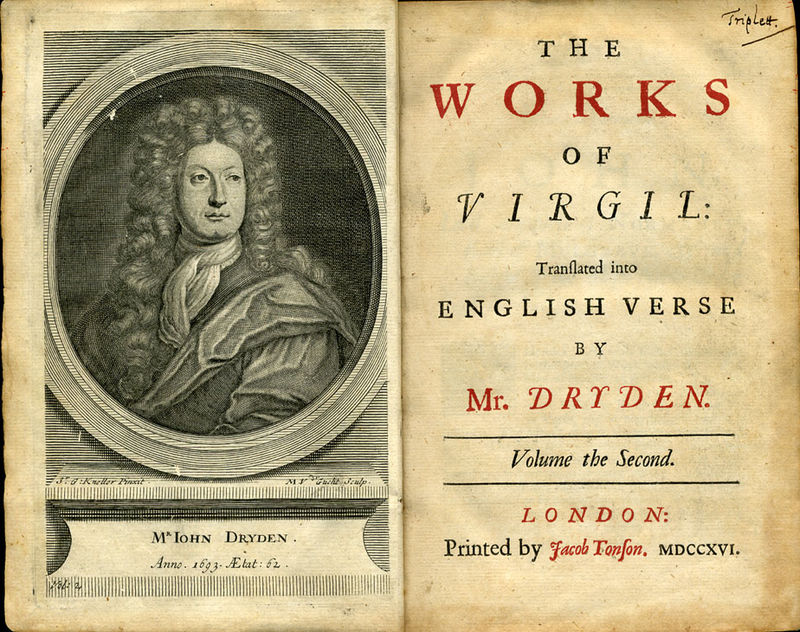
JOHN DRYDEN TRANSLATION COMPETITION
The British Comparative Literature Association organises a translation competition in memory of the first British poet laureate John Dryden (1631–1700), who was a literary critic, translator, and playwright as well as a poet. Sponsored jointly with the British Centre for Literary Translation at the University of East Anglia, the John Dryden Translation Competition awards prizes for unpublished literary translations from any language into English. Literary translation includes poetry, prose, or drama from any period. There are three prizes of £350, £200, and £100; other entries may receive commendations. All three prizes also include one-year BCLA membership.
Prize-winners are announced in the summer on the BCLA website and prizes are presented thereafter every year at the BCLA ‘AGM and Colloquy’. Winning entries are eligible to be published in full on the website, and extracts from winning entries are also eligible for publication in Comparative Critical Studies.
Assisted by competent bilingual readers specialising in the literatures for which entries are received, the judges are selected from the following:
Dr Glyn Hambrook (Senior Lecturer, University of Wolverhampton and Editor, Comparative Critical Studies)
Dr Maike Oergel (Associate Professor, University of Nottingham and Editor, Comparative Critical Studies)
Dr Stuart Gillespie (Reader, University of Glasgow and Founding Editor, Translation and Literature)
Martin Sorrell (Translator)
Robert Chandler (Translator)
For conditions of entry and further details download the John Dryden Translation Competition 2015-2016 Entry Form. The closing date for receipt of entries for 2015-2016 is 16 February 2016.
Entries, each consisting of source text, your translation, an entry form, and the entry fee, should be sent to:
Dr Karen Seago
John Dryden Translation Competition
Department of Culture and Creative Industries
School of Arts and Social Sciences, City University London
London, EC1V 0HB, UK
You may be eligible to submit an entry free of charge; please see the John Dryden Translation Competition 2015-2016 Entry Form for details. Contact DrydenTranslationCompetition@city.ac.uk for more information.
 Alice-Catherine