Poetry at the Post, Day 15: Onward to Greece! —and a poem by Katerina Iliopouolou

On weakened legs I walked around the town the whole day. I took photographs” by Katerina Iliopoulou, as translated by John O’Kane

Ia Santorini-2009- Photo courtesy of Simm 1CC BY-SA 3.0
Ia Santorini-2009-
Photo courtesy of Simm 1CC BY-SA 3.0
#onwardtogreece2014


The Hungarian photographer André Kertész with his walking (during thirty years) wore out the network of streets of at least three cities. Eighty-five now, confined (by grief) to his apartment…

Katerina Iliopoulou is a poet, artist and translator, who lives and works in Athens.

What I like this poem is the convergence of so many places that have personal meaning. The stream of images leading to an unexpected ending is quite wonderful too.

In Paris he photographed himself double closing his eyes and a crumpled half-opened white door reflecting in the mirror.

You can read more about Iliopoulou and the entire poem here: http://iliopoulou.wordpress.com/bio/

Andre Kertesz (1894 - 1985)  Circus, Budapest, 19 May 1920 Denver Art Museum #lateantiquitystudiesbudapest2014
Andre Kertesz (1894 – 1985)
Circus, Budapest, 19 May 1920
Denver Art Museum
#lateantiquitystudiesbudapest2014
Poetry at the Post, Day 14: Bulgaria Anyone? да, Bulgaria!

Poetry at the Post, Day 14: Bulgaria Anyone? да, Bulgaria!

“Noah, The Carrier” by Kristin Dimitrova, as translated by Katerina Stoykova-Klemer

The Season of Delicate Hunger Anthology of Contemporary Bulgarian Poetry, Accents Publishing
The Season of Delicate Hunger
Anthology of Contemporary Bulgarian Poetry, Accents Publishing

To Gilgamesh*, however, he’d spoken like this:

I freed a pigeon, but it returned.
I freed a swallow—same thing.

I was going to head next to Greece at The Post but decided to stop in Bulgaria along the way. Today’s poem is by Kristin Dimitrova, a Bulgarian poet whose work appears in the 2014 Anthology of Contemporary Bulgarian Poetry The Season of Delicate Hunger, edited by Katerina Stoykova-Klemer .

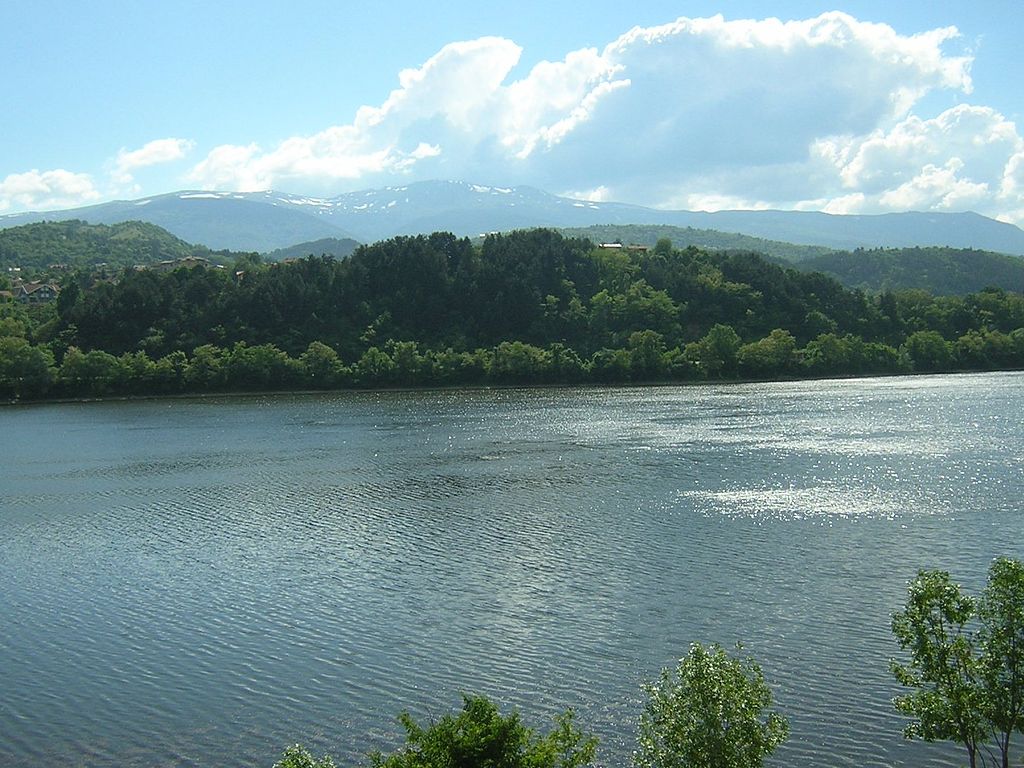
Lake Pancharevo in southern Sofia

I like this poem because thematically it explores myth & legend and truth. We all have those friends who only tell you what you want to hear and then again, many times folks only hear what they want to hear. How much of religion or history is truth? As, we know, history is always written from the viewpoint of the victor, or dominant culture.

There is no way
Truth does not make a good legend
Yet legend is truth’s only carrier.

In an interview Dimitrova says, “I’d like American readers to know that Bulgarian poetry exists.” I must admit I know little about Bulgaria, well, okay, almost nothing.

You can read more about Dimitrova as well as the entire poem “Noah, the Carrier” here. There’s a fun twist at the end.

http://accents-publishing.com/blog/2013/12/10/meet-a-bulgarian-poet-kristin-dimitrova

#spaldingmfa

*The Gilgamesh is one of my favorite epics and we’ll be reading it in the Global Reading Group, a virtual literary salon.

Poetry at the Post, Day 12: Czech Poet, Katerina Rudcenkova

“Yes, I live inside the piano” by Katerina Rudcenkova, as translated by Alexandra Büchler

June 3, 2014
June 3, 2014

Continuing my travels to the Czech Republic, I found the young Czech poet, playwright and photographer, Katerina Rudcenkova. What I’ve read of her work so far, I really like. It is fresh, yet powerful.

“Yes, I live inside the piano” is a short—3-line poem. For a quick poetry fix, you can read it here. It is fun with a twist at the end.

http://www.poetryfoundation.org/poetrymagazine/poem/246336

If you want to know more, you can listen to this interview with Rudcenkova on Radio Czech.
http://www.radio.cz/en/section/books/visitors-invisible-through-treetops-the-poetry-of-katerina-rudcenkova

Nowhere
Covered by purple leaves
I’ll leave my roots under water…

Czech Switzerland National Park, photo courtesy of Olaf1541, as licensed under CC Share Alike 3.0

http://www.npcs.cz/en

I am looking forward to visiting the Czech Republic. How great that its first president Vaclav Havel was a poet!

In googling everything Czech this morning, I discovered Czech Switzerland—a National Park in northwestern Czech Republic. A fairly new National Park, it looks like a good place to visit.

#spaldingmfaprague2014

Poetry at the Post, Day 11: “Contempt” by Elfriede Jelinek

“Contempt” by Elfriede Jelinek, as translated by Michael Hoffman

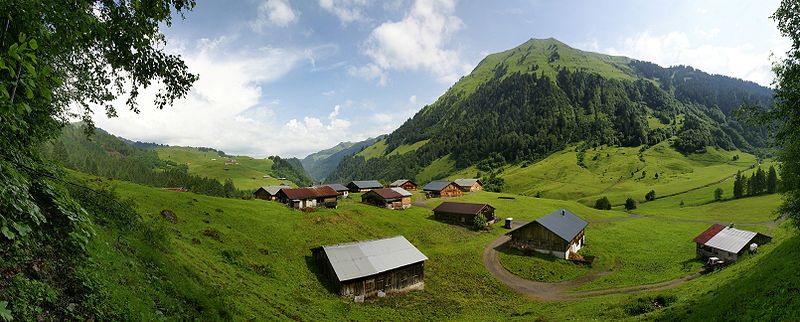
Panoramic on the Alps Austria 3 July 2009 Photo courtesy of Friedrich Böhringer  under CC Share Alike 2.5 License
Panoramic on the Alps
Austria
3 July 2009
Photo courtesy of Friedrich Böhringer under CC Share Alike 2.5 License

my puppet-strings are the
sweet decaying lamps I flutter around.

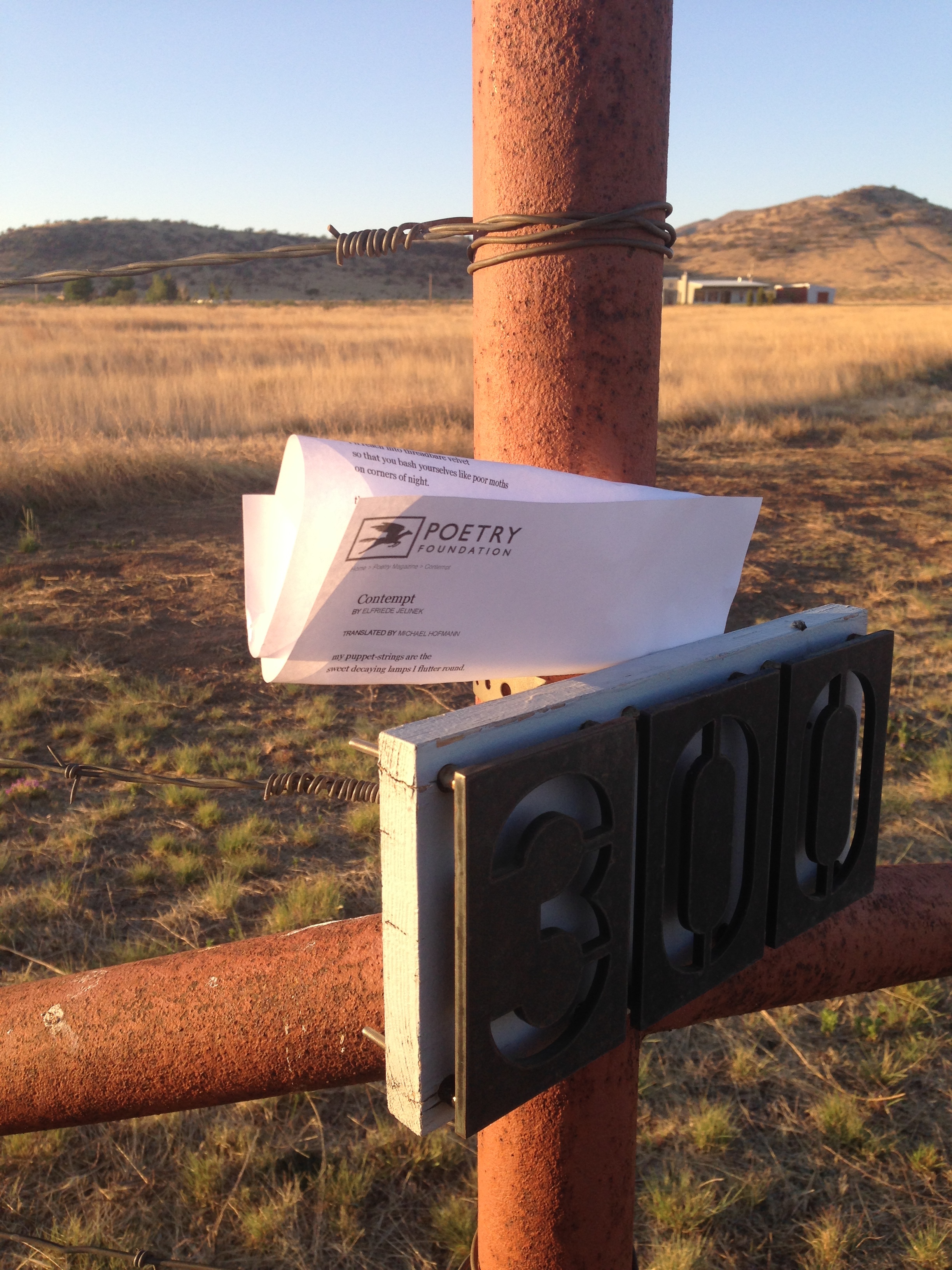
Two of my besties from Spalding University will meet me in Budapest later this month. We’ll be traveling on to Vienna for a mini trip before we meet up with the rest of our program in Prague. In celebration of our upcoming trip—and out MFA graduation in Berlin, I decided to read an Austrian poet this morning. #lateantiquitystudiesbudapest2014 #threemfagradsonthetraintowien
Winner of the Nobel Prize for Literature in 2004, Jelinek is a controversial writer, mainly due to her political activism, strong feminist stance, & affiliation with the Communist Party—all of which are important to her work. As Jelinek suffers from agoraphobia, she did not attend the Nobel Prize award ceremony but instead sent this video.

http://www.nobelprize.org/mediaplayer/index.php?id=721

I’m not sure yet what I think about this poem. My take away from this morning’s reading is this:

your stupid silence I will just
toss up in the air.

For me, these words are powerful. I think they suggest that we should have contempt for those who refuse to speak out against injustice and oppression. Im reminded of the importance of “voice” and standing up when the situation demands it. Not always easy.

I do wonder if I would be able to do so in a situation where my speaking out could lead to imprisonment,torture, or worse. I’m afraid I would not. Instead, I will try harder to chip away at any infractions of intolerance and discrimination that I encounter.

I never understood age discrimination until I got older—and, believe me, it is rampant. I refuse to allow age to define me and I speak up whenever I can.

“Contempt,”however, does make me curious to read more of Jelinek’s work. Here’s the full poem.

http://www.poetryfoundation.org/poetrymagazine/poem/180170

June 2, 2014
June 2, 2014

Poetry at the Post, Day 8: A Trip to Argentina!

“Running Water” by Alfonsina Storni (1892-1938), as translated by Muna Lee

May 30, 2014
May 30, 2014

Yes, I move, I live, I wander astray—
Water moving running, intermingling, over the sands…

I am obsessed with water Yes, clean, abundant water. After three years living on and off in Oaxaca, Mexico, I have lots of water stories. Oaxaca,Oaxaca is a city of scarce water.

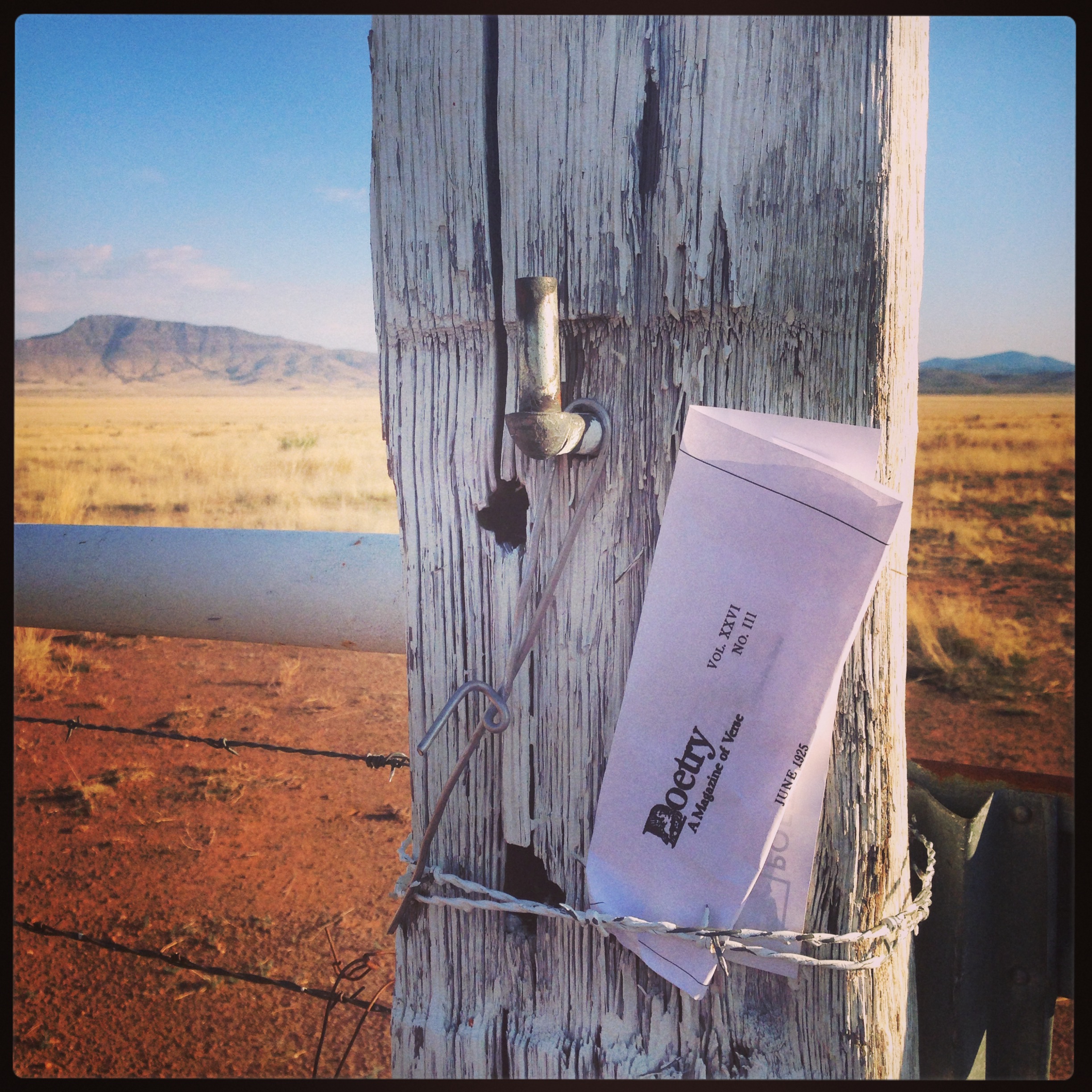
I seem to be attracted to dry places. Now I am in the desert of Far West Texas, It is June and we are waiting for the rains. If all goes well, the rains will begin soon. They have already begun in Oaxaca.

Alfonsina Storni
Alfonsina Storni

When I read Storni’s poem “Running Water,” I can see and feel the water running….But wait! There is something else, an obstruction: “What are you doing here…/You, the stone in the path…?”

We all find those stones in our way. Sometimes, they are more than stones. They are boulders. I prefer to read the ending of this poem as hopeful. The stone in the path offers a diversion, another possibility. You can read the full poem here: http://www.poetryfoundation.org/poetrymagazine/browse/26/3#!/20575067

Sadly, for Alfonsina Storni, the boulders of breast cancer and solitude were just too big. At 1:00 am on October 25, 1938, she left her room and walked down to the sea.Legend has it she just kept walking into the sea until she drowned. Her body was discovered later that day.

Here is a link to “Alfonsina y el Mar,” a hauntingly lovely song in memory of Storni. Composed by Ariel Ramírez and Félix Luna, it is sung here by Mercedes Sosa.

I read “Running Water” to the deer this morning. With poetry, you have to find your audience wherever you can. They were not impressed. They ran away.

Poetry at the Post, Day 7: Here’s to the Tomato!

“Ode to Tomatoes” by Pablo Neruda, as translated by Margaret Sayers Peden

The street
filled with tomatoes,
midday,
summer…

“It’s time” or soon it will be time for tomato season in Texas. Neruda’s poem “Ode to Tomatoes” reminds me of how much I enjoy garden grown tomatoes. There is just no substitute. Greenhouse tomatoes fill the gap in a pinch but they are just not the same. In Chile, the season is December and the tomato “unabated/invades the kitchen.”

You can read the full poem here in both Spanish and English: http://www.soupsong.com/ftomato2.html

I first read this poem several years ago. What I learned about craft from this poem and the others in the collection Odas Elementales , or Odes to Common Things is that you can write a poem about anything: a tomato, an onion, a lemon, even a pair of socks. I wrote an “Ode to High Heels”, modeled on Neruda’s “Ode to Tomatoes,” because I have a fondness for heels. They make me feel majestic. The perfect heel, for me, is 2 3/4″—not always so easy to find.

So much has been written about Neruda that I have nothing new to add, except that I read today that Neruda chose his pen name after the Czech poet, Jan Neruda.

Jan Neruda's grave Vysehrad Cemetery, Prague  Photo courtesy of Miaow Miaow , October 2005
Jan Neruda’s grave Vysehrad Cemetery, Prague
Photo courtesy of Miaow Miaow , October 2005

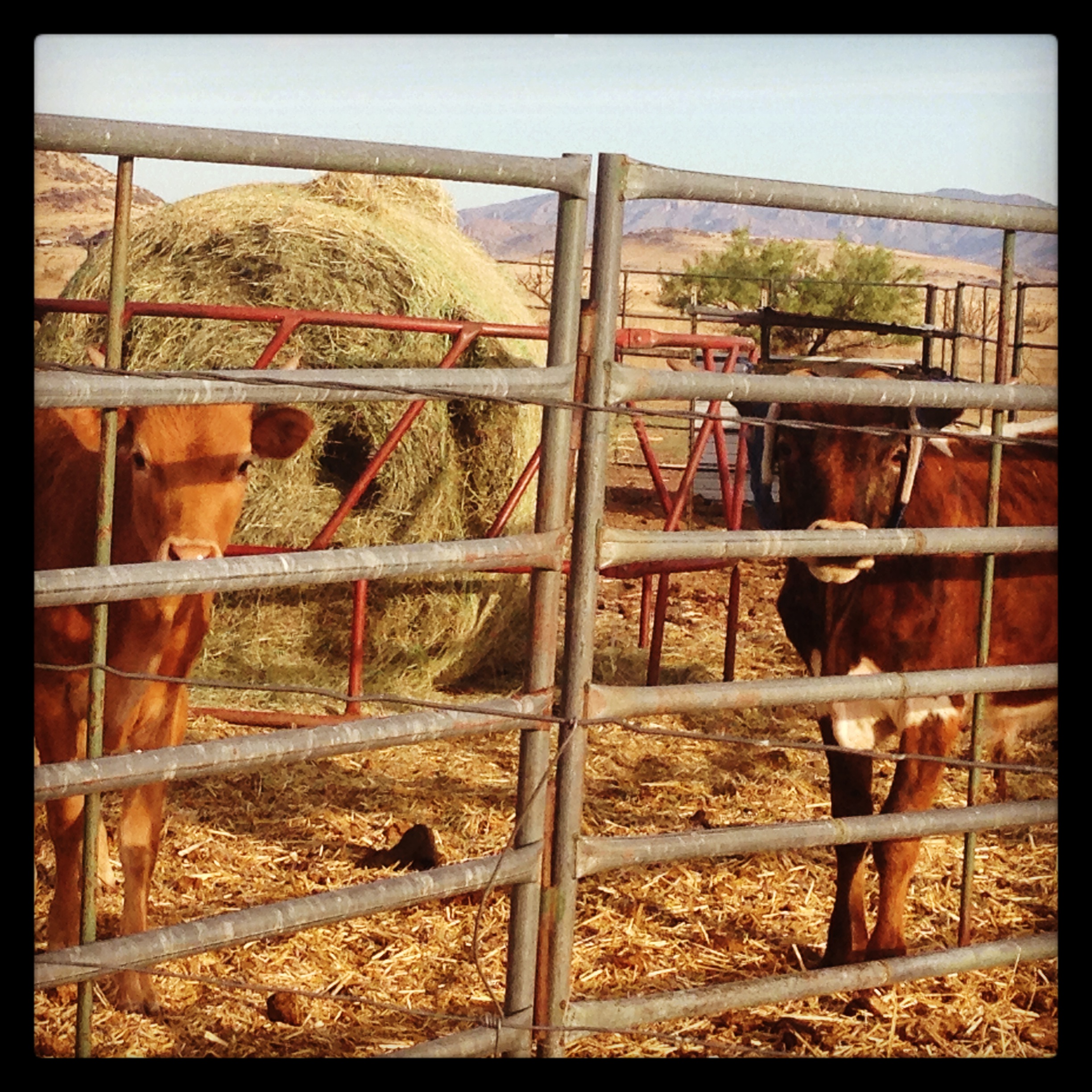
Since no one has been joining me at the post each morning, I decided to read to a couple of my neighbors. They really liked this poem.

If you happen to be in the Austin, TX area and are looking for a full time seasonal job, Johnson’s Backyard Garden is hiring Tomato Packing Crew Members now.

https://www.jbgorganic.com/blog/2013/05/jbg-is-hiring-for-summer/

Thanks to Julie Haines for her request for Neruda. It was so much fun to reread this poem.

Poetry at the Post, Day 5: Belly Dancer by Diane Wakoski

May 27, 2014
May 27, 2014

I had the pleasure of meeting Diane Wakoski a few years back in Tulum, Mexico. We were staying at the same small inn downtown. In Tulum for the program, US POETS IN MEXICO, Diane gave a reading one night in a palapa by the beach. I was mesmerized by the poems, her presence.

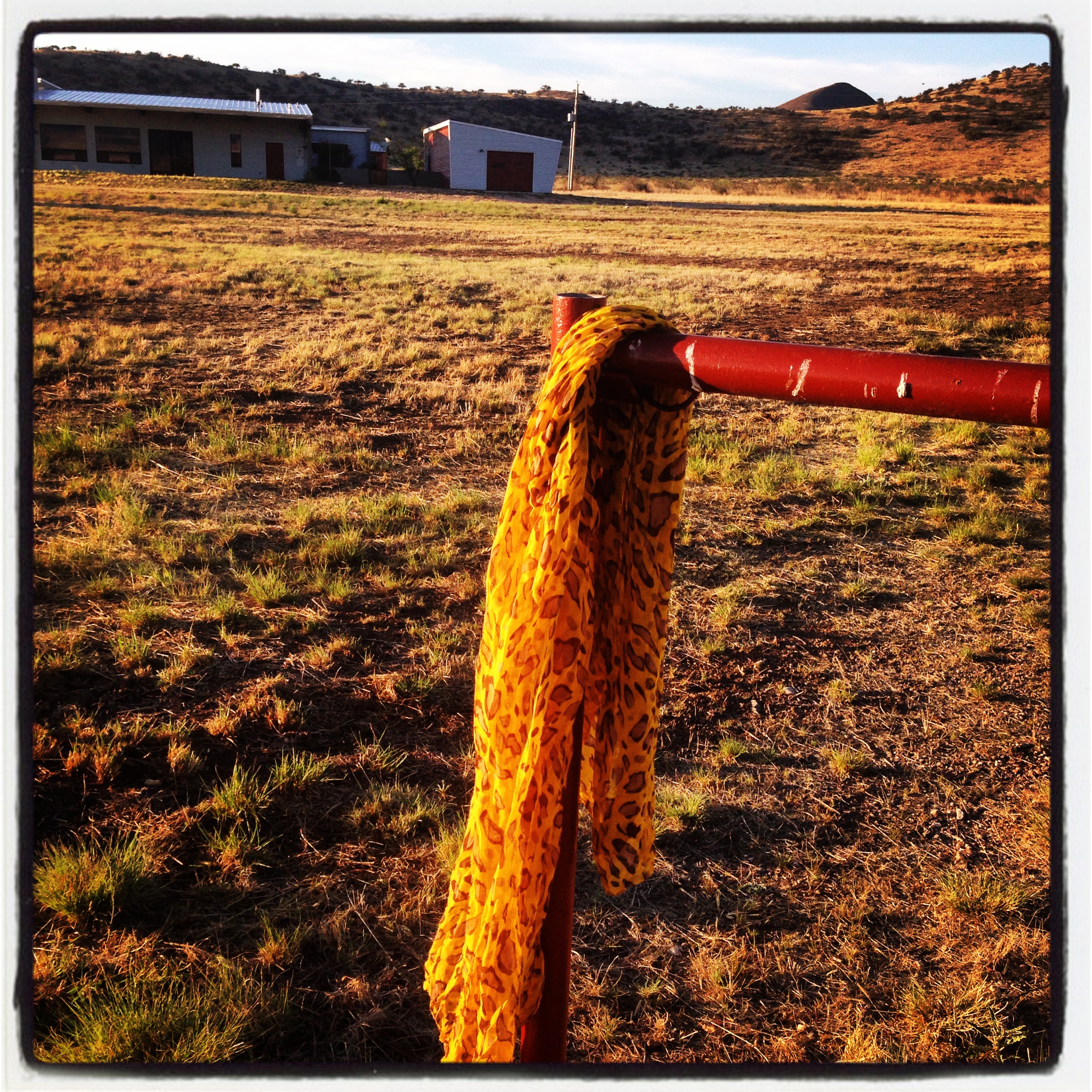
Belly dancers bedazzle me too. I almost signed up to take belly dance lessons one year in San Antonio, Texas. That was the year I tried lots of strange stuff. While reading “Belly Dancer” this morning at the post, I could still recall that desire to wear the long silk skirt, the beaded fringe.

Where does this thin green silk come from that covers my body?
Surely any woman wearing such fabrics
would move her body just to feel them touching every part of her.

You can read the entire poem here: http://www.poetryfoundation.org/poem/176001
And for more information on US POETS IN MEXICO, visit http://www.uspoetsinmexico.org. In 2014, the program will be held in Oaxaca, Mexico October 27-31.

Poetry at the Post, Day 4: Dante’s Inferno

May 26, 2014

May 26, 2014
May 26, 2014

This morning I picked up Mary Jo Bang’s contemporary version of Dante’s Inferno and took it to the post. I let the wind select the passage.

I ended up on page 74, deep in mud and in the 5th level of hell. This is place reserved for those who lived sullen or angry lives.

I was standing there staring
At a swamp of naked people covered in mud,
All of whom looked as if they were furious.

What I love about Dante is that he reels me into this fantastic journey down into the depths of hell but I end up in the innards of my own life—and how I live it. I must admit. I struggle with anger. Fortunately, there are ways put it aside. For me, it is with yoga.

So, today I give thanks for The Well and Prana Yoga. If you find yourself in Marfa, Texas or Oaxaca, Mexico, check them out. They are both very special places.

http://thewellmarfa.com

http://pranayogaoaxaca.com

*We’ll be will be reading Dante’s Purgatorio in the virtual literary salon. Date: TBD. Visit the The Global Reading Group tab more more information. Anyone have a favorite translation?

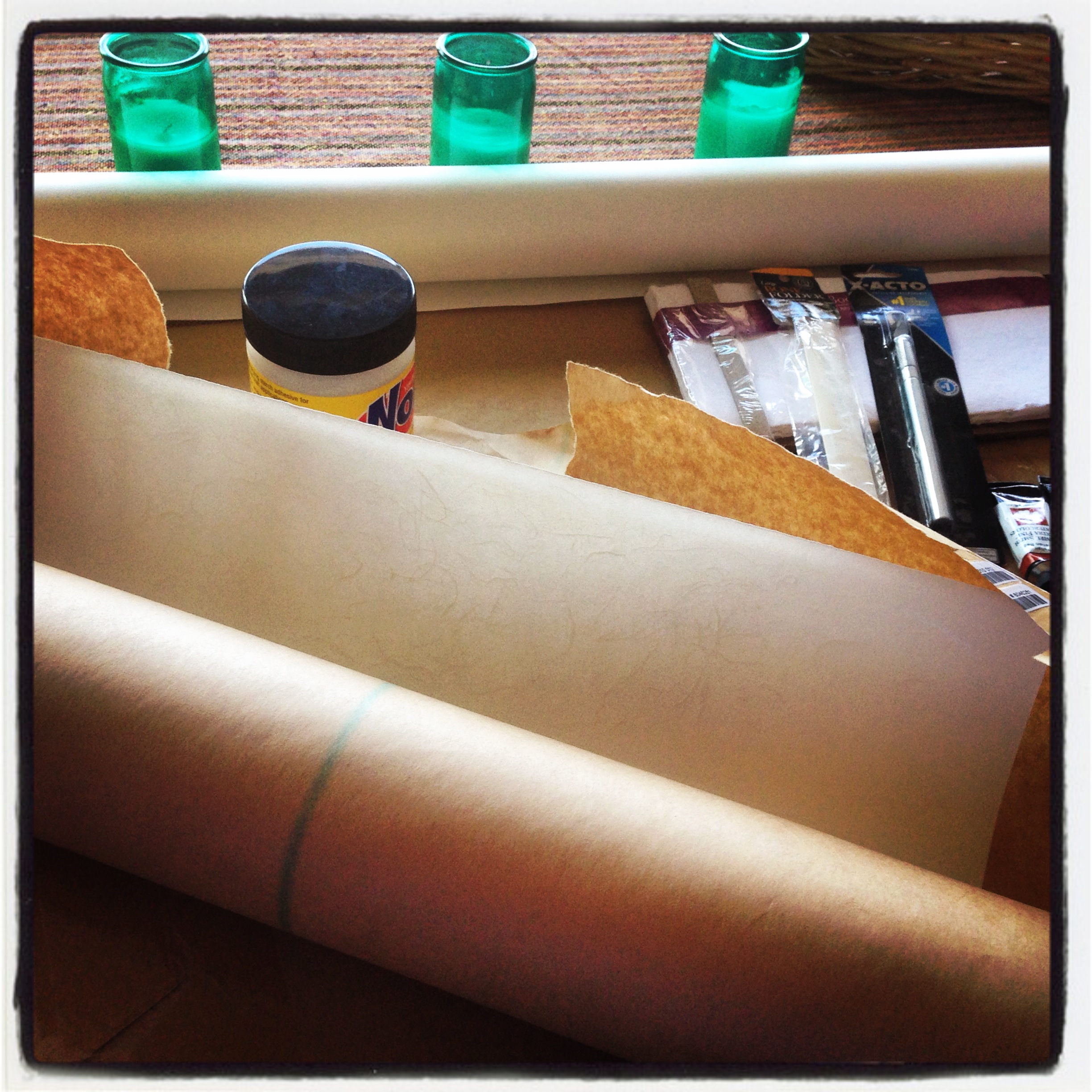
Alice-Catherine Press Sets Up Shop in Far West Texas

ACPress1

supplies were located, unpacked and sorted
know what I have and need.
a few glitches—
like a mouse invasion (yikes!)—
production should begin soon
at Alice-Catherine Press-El Norte

Alice-Catherine Press is a kitchen-table publisher of hand-made books of poetry.
Casa 300
Off the road between Marfa & Fort Davis, Texas

Poetry at the Post, Day 3: “Ode” by Arthur O’Shaughnessy

Kensai Greem Cemetery, December 2005 Photo courtesy of Justin Cormack Creative Commons Attribution-Share Alike 2.0 Generic license.
Kensai Greem Cemetery, December 2005
Photo courtesy of Justin Cormack
Creative Commons Attribution-Share Alike 2.0 Generic license.
“Ode” by Arthur O’Shaughnessy (1844-81)

We are the music makers,
And we are the dreamers of dreams,

A British poet of Irish descent, O’Shaughnessy earned his living as an herpetologist at the British Museum. His real love, however, was not the frogs and snakes but literature, especially poetry.

For me, this poem is special because it reminds me of the importance of beginning new dreams. Instead of focusing on the past—its successes and failures– and the passage of time and generations, I like to think of the dream that is being conceived. (And, Yes! My dream is coming true! #lateantiquitystudiesBudapest2014)

For each age is a dream that is dying,
Or one that is coming to birth.

Sadly, O’Shaughnessy died of a “Chill” at the age of 36. He is buried at Kensai Green Cemetery in London. For the full poem and a bit of fairy dust, visit http://www.poetryfoundation.org/poem/242554

May 25, 2014
May 25, 2014