Black Earth
BY MARIANNE MOORE
…Black
But beautiful,
my back Is full of the history of power. Of power? What
Is powerful and what is not? My soul shall never
Be cut into..
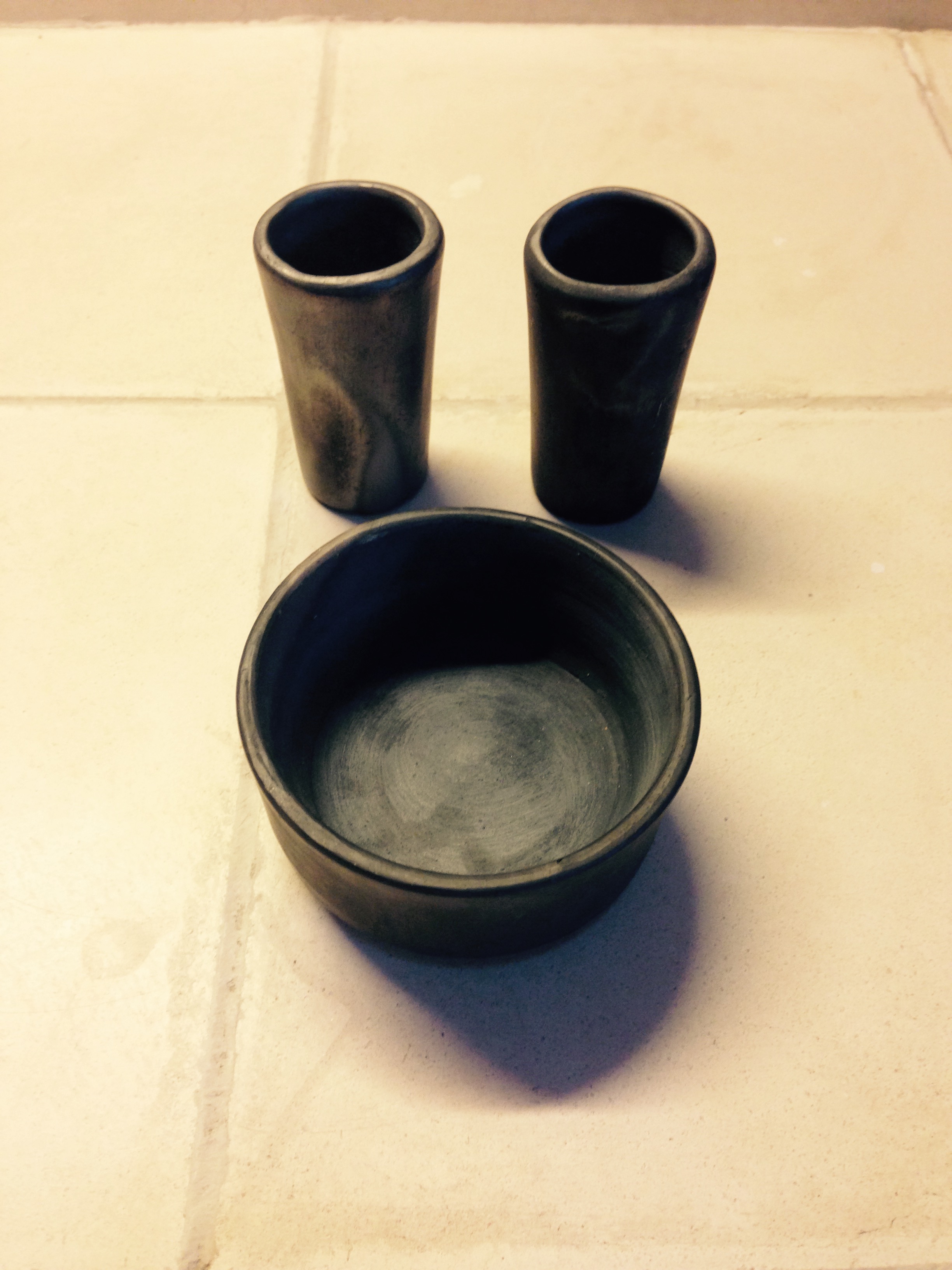
San Bartolo Coyotepec
Oaxaca
July 2015
photo by AC Jennings
Black Earth
BY MARIANNE MOORE
…Black
But beautiful,
my back Is full of the history of power. Of power? What
Is powerful and what is not? My soul shall never
Be cut into..
Michel de Montaigne
OF EXPERIENCE
There is no desire more natural than that of knowledge. We try all ways that can lead us to it; where reason is wanting, we therein employ experience,
Per varios usus artem experientia fecit,
Exemplo monstrante viam,
[“By various trials experience created art, example shewing the way.”—Manilius, i. 59.]
which is a means much more weak and cheap; but truth is so great a thing that we ought not to disdain any mediation that will guide us to it. Reason has so many forms that we know not to which to take; experience has no fewer; the consequence we would draw from the comparison of events is unsure, by reason they are always unlike. There is no quality so universal in this image of things as diversity and variety. Both the Greeks and the Latins and we, for the most express example of similitude, employ that of eggs; and yet there have been men, particularly one at Delphos, who could distinguish marks of difference amongst eggs so well that he never mistook one for another, and having many hens, could tell which had laid it.

INSTITUTE OF MEDIEVAL AND EARLY MODERN STUDIES, DURHAM UNIVERSITY
6 – 7 November 2015
CALL FOR PAPERS
The Institute of Medieval and Early Modern Studies (IMEMS) at Durham University invites proposals for 20-minute papers on any aspect of the reception of Montaigne’s Essais in England and the larger Anglophone world, including Ireland, Scotland, and North America, during the first two hundred years following their initial publication in French.
Any approach to the study of Montaigne’s influence is welcome, including literary criticism, philosophy, theology, psychology, history of science, and history of the book. Authors to consider range from Bacon and Hobbes up to Locke and Hume, and include literary figures, as well, such as Florio, Cornwallis, Daniel, Shakespeare, Jonson, Burton, Browne, Dryden, Johnson, Pope, Swift, and Sterne. Early career academics and postgraduates are encouraged to apply, as well as more established scholars.
For consideration, please send a title, an abstract of no more than 200 words, and a one-page CV to montaigneinearlymodernengland@gmail.com no later than 1 August 2015.

Channel Firing
BY THOMAS HARDY
That night your great guns, unawares,
Shook all our coffins as we lay,
And broke the chancel window-squares,
We thought it was the Judgment-day
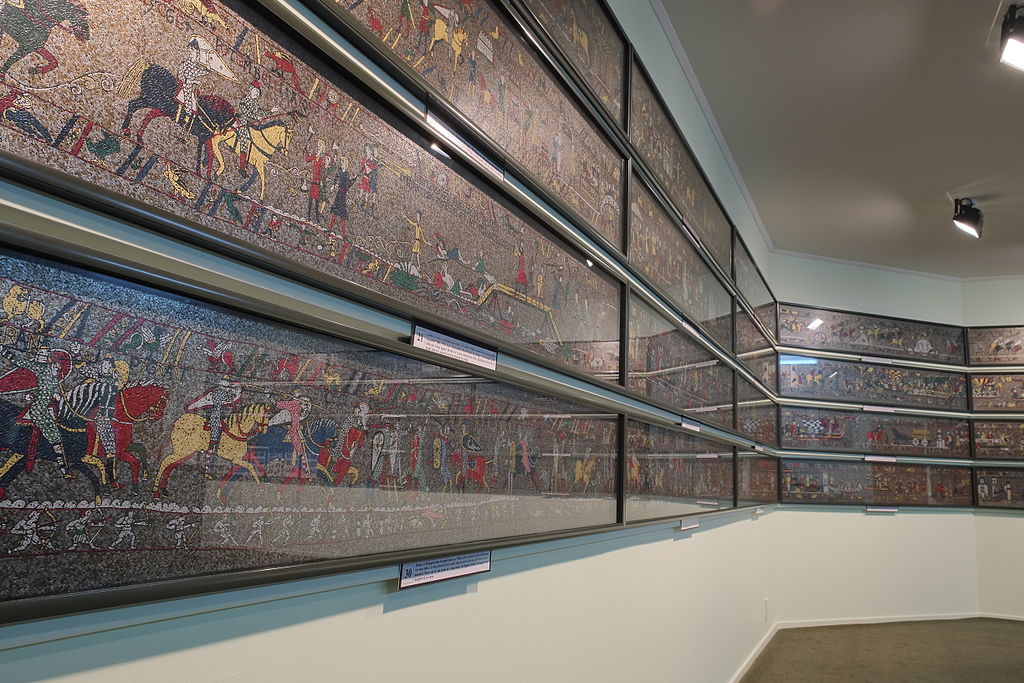
Gender and Medieval Studies Conference 2016
The University of Hull
Gender and Emotion
6th – 8th January 2016
Call for Papers
The grief-stricken faces at Edward’s deathbed in the Bayeux Tapestry; the ambiguous ‘ofermod’ in The Battle of Maldon; the body-crumpling anguish of the Virgin witnessing the Man of Sorrows; the mirth of the Green Knight; the apoplectic anger of the mystery plays’ Herod and the visceral visionary experiences of Margery of Kempe all testify to the ways in which the medieval world sought to express, perform, idealise and understand emotion.
Yet while such expressions of emotion are frequently encountered by medievalists working across the disciplines, defining, quantifying and analysing the purposes of emotion and its relationship to gender often proves difficult. Are personal items placed in early Anglo Saxon graves a means for the living to let go of, or perpetuate emotion, and how are these influenced by the body in the grave? Do different literary and historical forms lend themselves to diverse ways of expressing men’s and women’s emotion? How does a character expressing emotion on stage or in artwork use body, gender and articulation to communicate emotion to their viewer? Moreover, is emotion viewed differently depending on the gendered identity of the body expressing it? Is emotion and its reception used to construct, deconstruct, challenge or confirm gender identities?
This conference seeks to explore the manifestations, performances and functions of emotion in the early to late Middle Ages, and to examine the ways in which emotion is gendered and used to construct gender identities.

Proposals are now being accepted for 20 minute papers. Topics to consider may include, but are not limited to:
Gender and emotional expression: representing and performing emotion
The emotional body
Philosophies of emotion: theory and morality
Emotional objects and vessels of emotion
Language and emotion and the languages of emotion
Preserving or perpetuating emotion
Emotions to be dealt with: repressing, curtailing, channelling, transforming
Forbidden emotion
Living through (someone else’s) emotion
The emotions of war and peace
The emotive ‘other’
Place and emotion
Queer emotion
We welcome scholars from a range of disciplines, including history, literature, art history, archaeology and drama. A travel fund is available for postgraduate students who would otherwise be unable to attend.
Please email proposals of no more than 300 words to organiser Daisy Black at d.black@hull.ac.uk by the 7th September 2015. All queries should also be directed to this address. Please also include biographical information detailing your name, research area, institution and level of study (if applicable)

Kind of Blue
BY LYNN POWELL
Not Delft or
delphinium, not Wedgewood
among the knickknacks, not wide-eyed chicory
evangelizing in the devil strip—

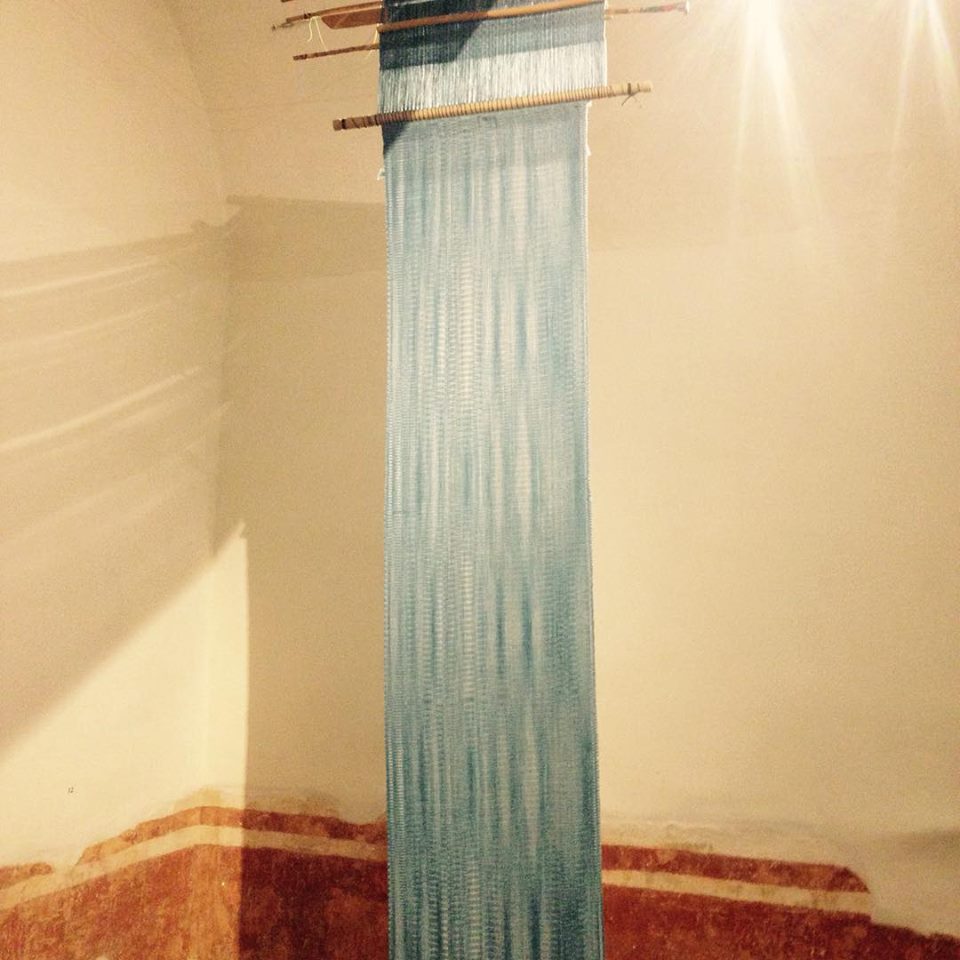
not the long-legged hunger
of a heron or the peacock’s
iridescent id—

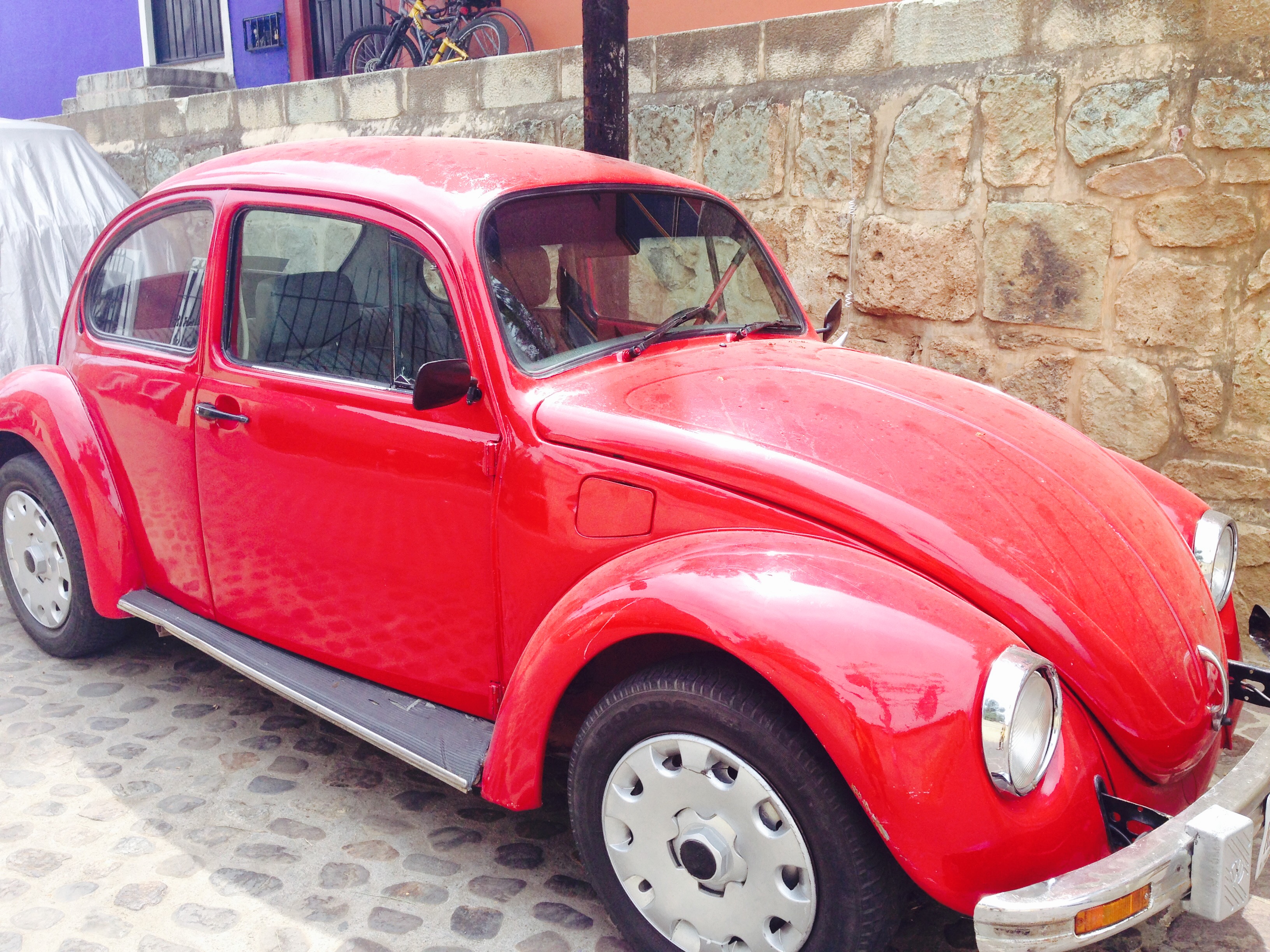
Back in Oaxaca so revisiting red!
Red Ghazal
BY AIMEE NEZHUKUMATATHIL
I’ve noticed after a few sips of tea, the tip of her tongue, thin and red
with heat, quickens when she describes her cuts and bruises—deep violets and red.
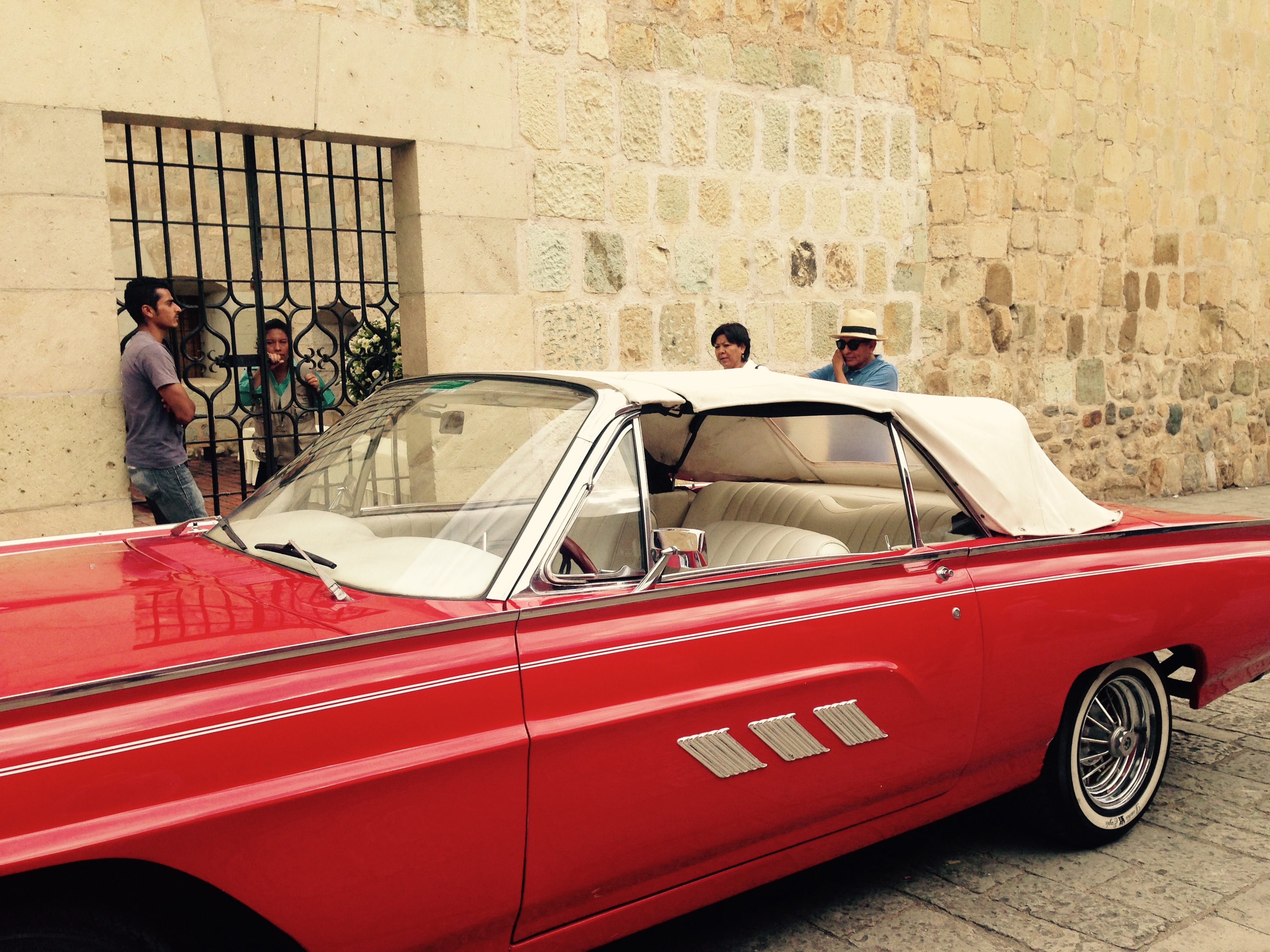
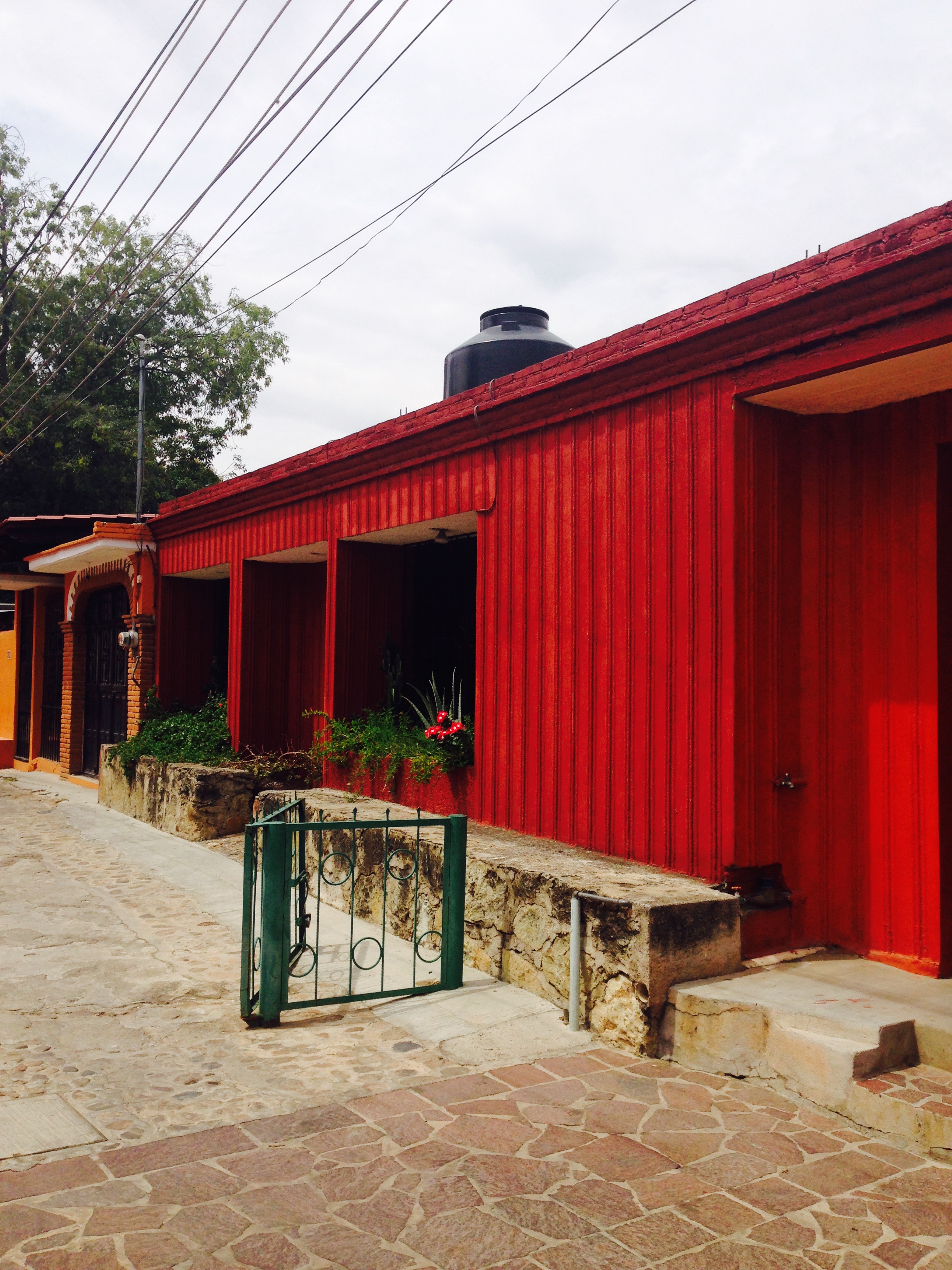
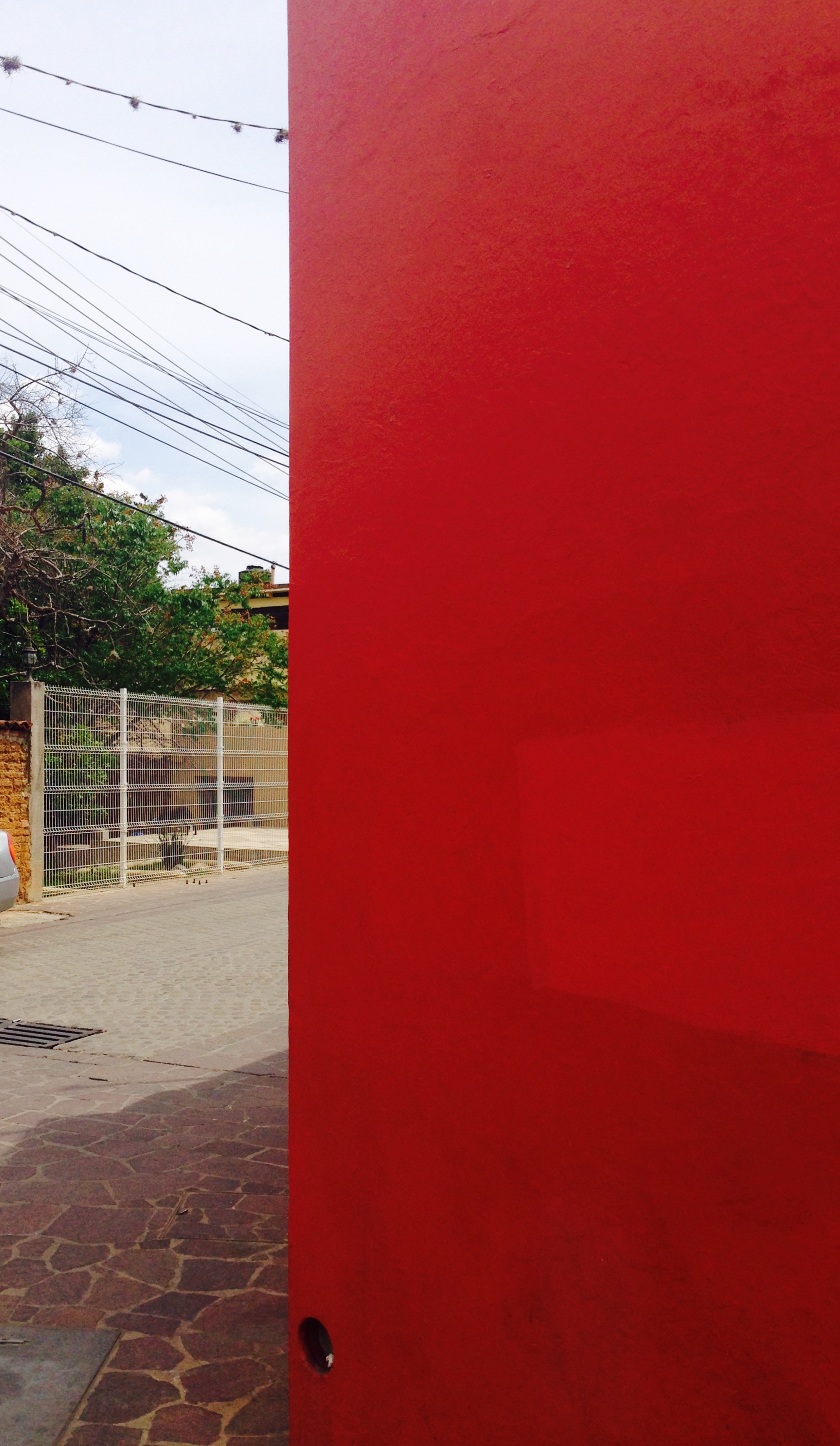
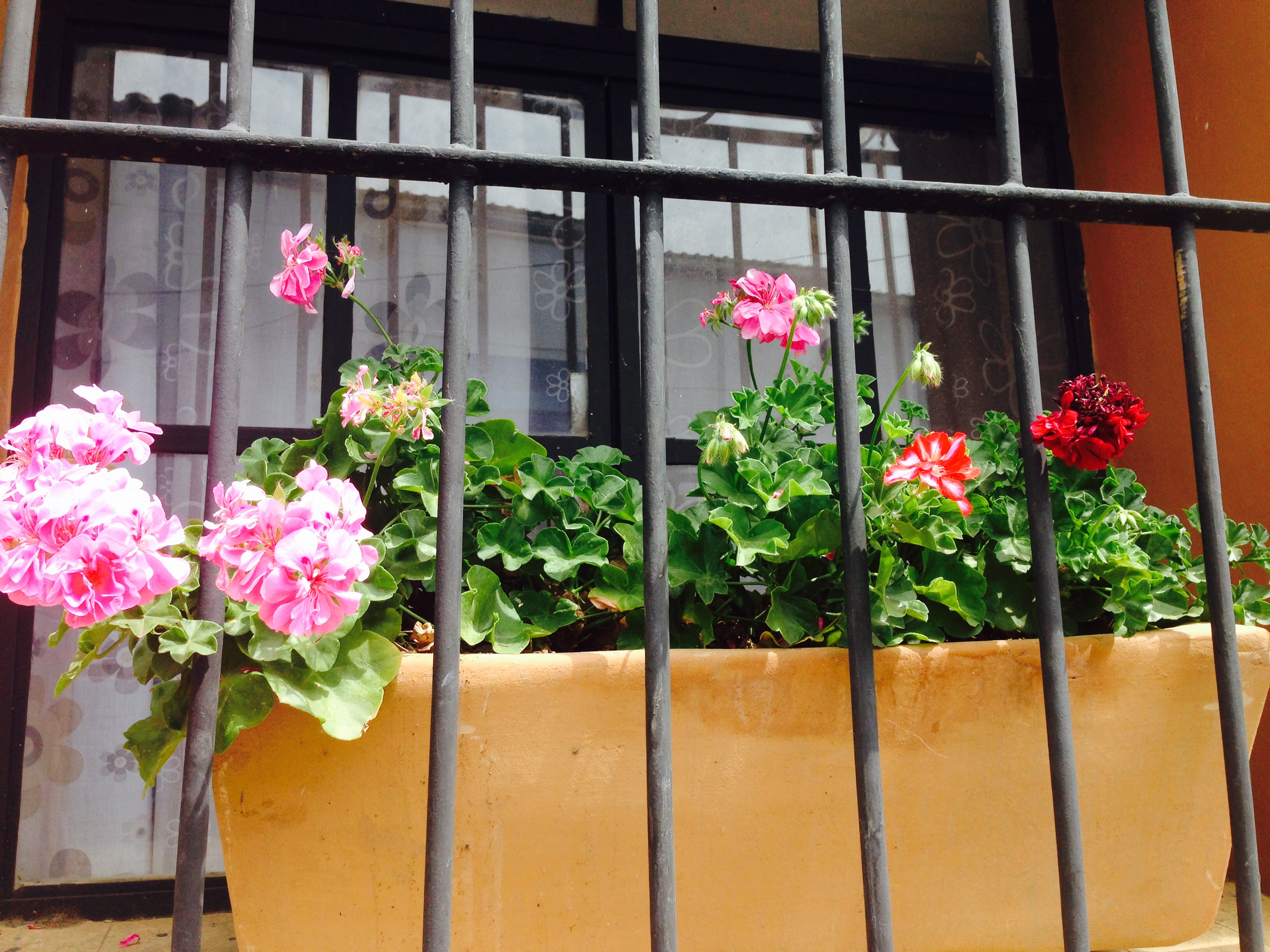
Red! I love the color—and the poetic form of the ghazal. It’s not difficult to find the color red in Oaxaca, Mexico—it’s everywhere! These are some quick shots I took on my iPhone Sunday morning while walking back to my apartment after breakfast. Just red!

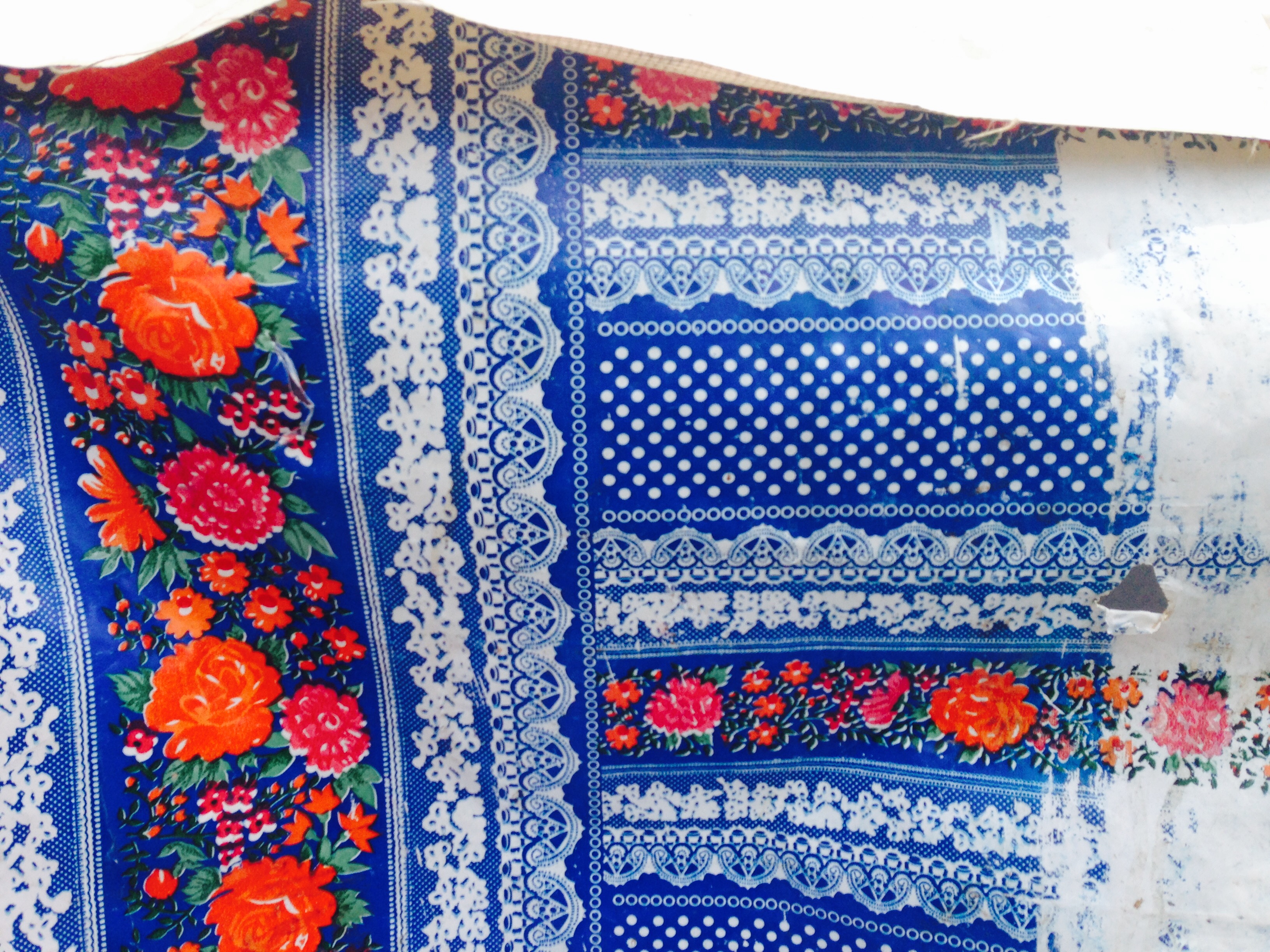
I’m terrible at cards. Friends huddle in for Euchre, Hearts—beg me to play
with them. When it’s obvious I can clearly win with a black card, I select a red.
Marie de France, translated Judith P. Shoaf ©1991
The adventure in my next tale
The Bretons made into a lai
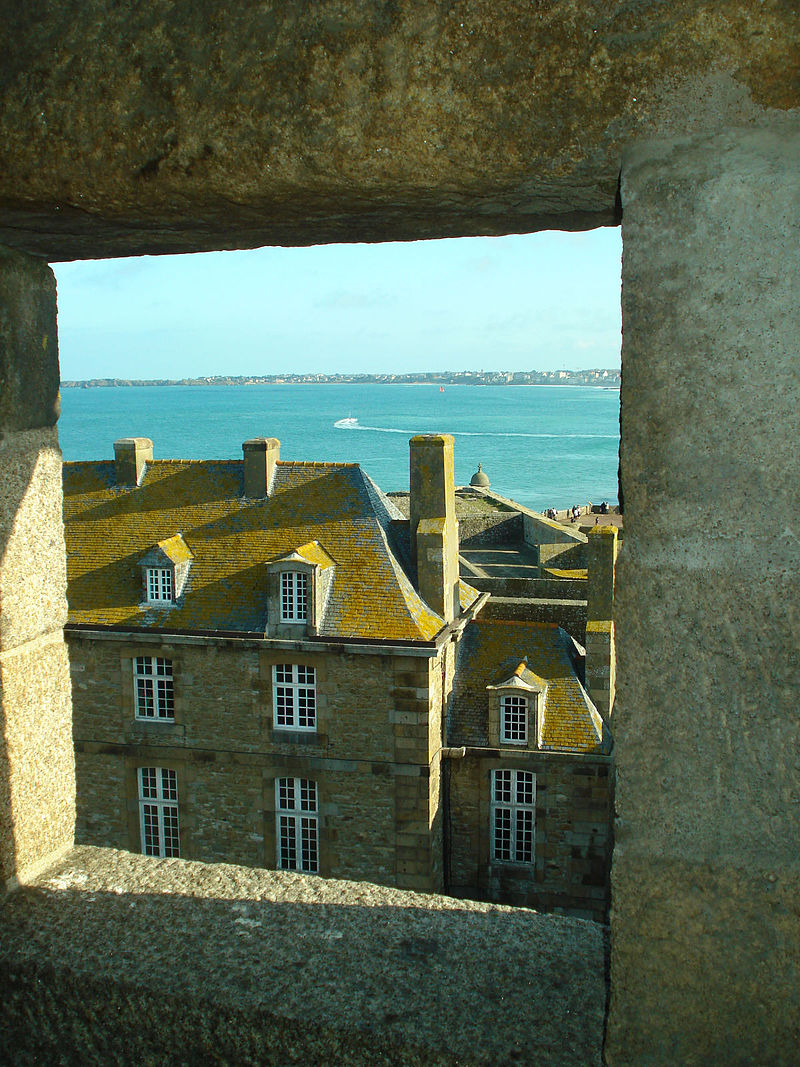
Called “Laustic,” I’ve heard them say, In Brittany; in French they call
The “laustic” a “rossignol”
And in good English, “nightingale.”
Near St. Malo there was a town
(Somewhere thereabouts) of great renown.

My mother died this past February. She was 92. My father died in 1985. He had been a medic during World War II. He landed in Normandy three days after the initial invasion picking up the dead and wounded from the beaches through France and into Germany. His last assignment was at a concentration camp. I don’t know where as he never spoke of it. My mother said he had nightmares for a long while after the war ended and he returned home. He would wake up screaming, “They all want their moms.”
Every hour, she thinks, someone for whom the war was a memory falls out of the world.
—From All The Light We Cannot See by Anthony Doerr
I just finished reading Doerr’s sad but lovely book about a blind girl, a mechanical wizard and two lives caught in an inexplicable time. Much of the book takes place in St. Malo-an historic town almost completely destroyed by the Allies in 1944. If you haven’t read this award-winning novel yet—you must.
At the Galleria Shopping Mall
BY TONY HOAGLAND
Just past the bin of pastel baby socks and underwear,
there are some 49-dollar Chinese-made TVs;
one of them singing news about a far-off war,
one comparing the breast size of an actress from Hollywood
to the breast size of an actress from Bollywood.
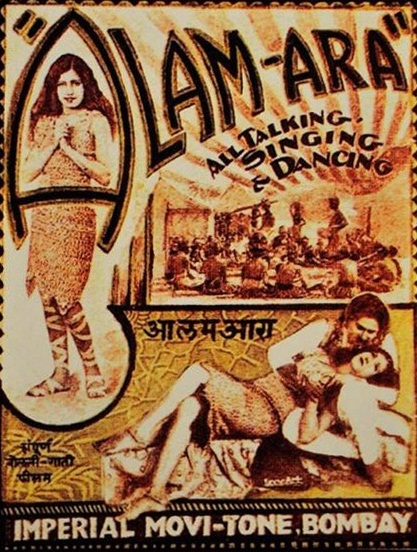

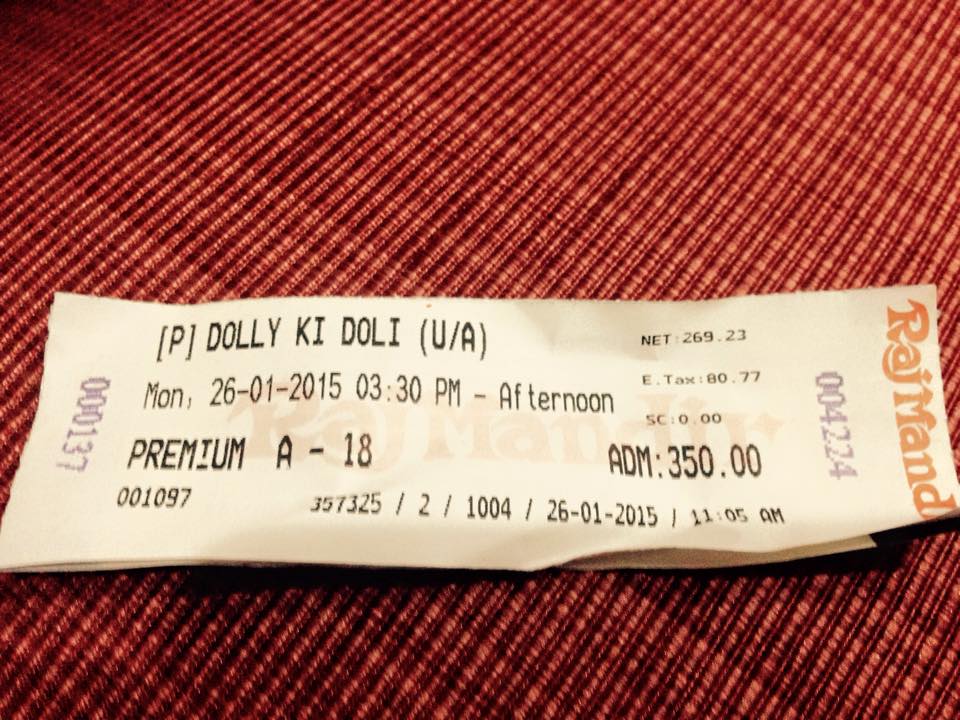
When I’m depressed, I watch movies—especially Bollywood films. The more weddings the better so I was on a Bollywood High in Jaipur last January for the opening of Dolly Ki Doli— a 2015 Indian comedy-drama film about a young woman who is a con artist. Because Dolly’s modus operandi is to love them then leave them—with all they own—there are many, many weddings in Dolly Di Doli. Silly and predictable but a whole lot of fun!!!
Alice’s Depresso-fixer rating! 
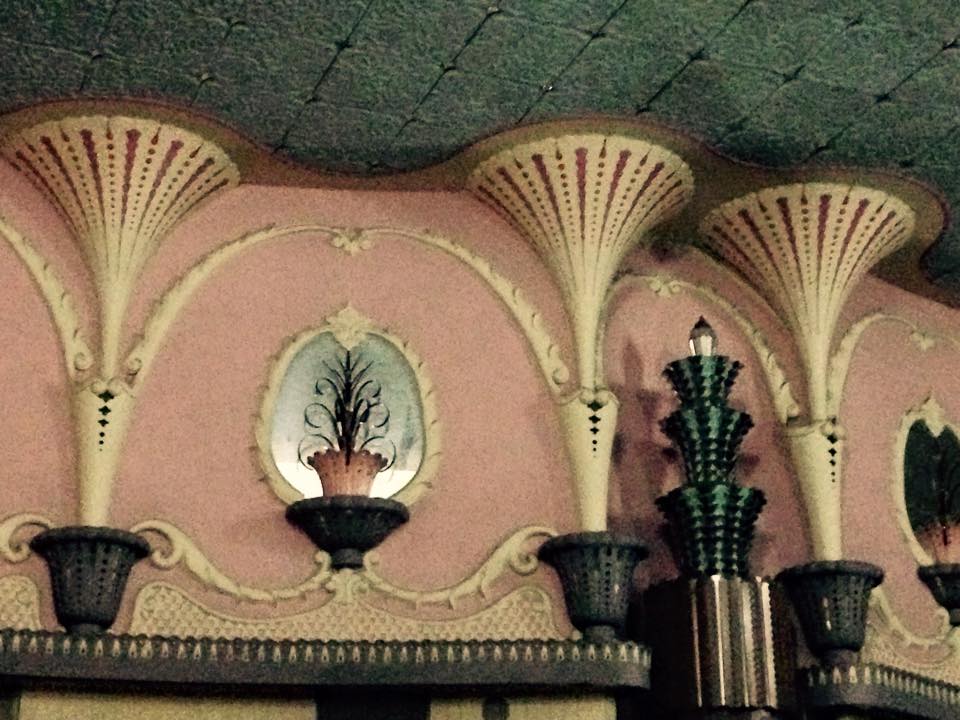
Raj Mandir Cinema by Alice-Catherine Jennings
Doli, a FIVE POINT
SOMEONE a looteri
dulhan, a high shine
thief ululating calls
loud whee-oh torry-
yu mellow & fluffy
she patterns thievery
like the colors of
the fern-leaf
plastered walls
pink blue blue pink
crash the boy’s heart
then another crashed
heart “no need to repeat!
Thanks to the editors of Zoomoozophone Review for first publishing “Raj Mandir Cinema” in Issue 6, June 2015. You can check it out here.

poem in praise of menstruation
BY LUCILLE CLIFTON
if there is a river
more beautiful than this
bright as the blood
red edge of the moon if

“…there was a Mumbanyo man who wanted to kill the moon. He had discovered his wife bled each month and accused her of having another husband. She laughed and told him all women were married to the moon. ” (From Euphoria by Lily King)

For so long I wanted to divorce
that man in the moon
now that I have, I miss him.
Decade by Amy Lowell
When you came, you were like red wine and honey,
And the taste of you burnt my mouth with its sweetness.
Now you are like morning bread,
Smooth and pleasant.
I hardly taste you at all for I know your savour,
But I am completely nourished.

She laughed. ‘Was she wine or bread to you?’
‘What do you mean?’
‘It’s from an Amy Lowell poem we all loved in college.”
—From Euphoria by Lily King
I’m intrigued by the use of intertexuality—why one writer chooses to insert text from another and why I take particular note of it —and how it leads me back to someplace else—like 1966, when I recited Patterns by Amy Lowell in a poetry recitation contest somewhere in Northern Kentucky.
BY AMY LOWELL
I walk down the garden paths,
And all the daffodils
Are blowing, and the bright blue squills.
I walk down the patterned garden paths
In my stiff, brocaded gown.

And then one thing leads to another—such as this awesome scholarship opportunity for poets! $50,000 for one year travel outside the country! Deadline: October 15th. Check it out.
Amy Lowell Traveling Poetry Scholarship
Abstract of the Terms of the Scholarship from Amy Lowell’s Will, as Modified by the
Massachusetts Probate and Family Court, Norfolk Division, on January 23, 2008
My trustees shall appoint a committee to be composed of one member of the English Department of Harvard University and of two poets of recognized standing (preference being given to those of progressive literary tendencies) and of the trustees themselves who collectively shall count as one. This committee shall each year name to receive the scholarship a poet of American birth and of good standing or able promise, preference again being given to those of progressive literary tendencies. By accepting the scholarship, the recipient shall agree with the trustees to spend one year outside of the Continent of North America in whatever place the recipient deems best suited to advance the art of poetry as practiced by him, and at the end of the year the recipient is to submit at least three poems for consideration by the committee. The trustees shall pay over to the recipient $50,000 [adjusted annually for inflation after 2008]. Such payments, however, shall cease if the recipient during the year returns to the Continent of North America for any reason or any period which seems unreasonable to the committee, said committee having the sole right to determine what is reasonable. Mere vacations shall not be considered reasonable. At the end of the year upon the submission of at least three poems to the committee, if these poems be considered of sufficient merit, they may award the same poet a second consecutive annual scholarship in the amount determined as set forth above for the succeeding year, so that, in any year in which a scholarship recipient is awarded a second consecutive annual scholarship, there shall be two Amy Lowell Poetry Travelling Scholarships awarded that year, both in the same amount.
Hotel Lautréamont BY JOHN ASHBERY Children twist hula-hoops, imagining a door to the outside, when all we think of is how much we can carry with us. And what of older, lighter concerns? What of the river?
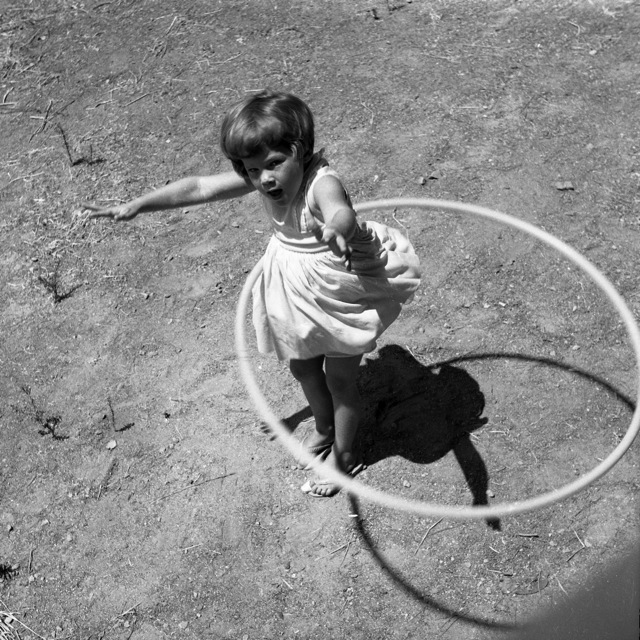
Recently I was subbing for a gym teacher at an Austin school and was surprised to see that “hooping” was part of the curriculum. Hooping? Ah, hula hooping. I remember that, or at least I thought I did until I began to demonstrate my hooping skills to the children. Disaster. Complete disaster. Ok, so you probably know this already but “hooping” is back—big time. Dusted off from the 1950’s, it’s been reenergized in the 2000’s. there are hooping classes, retreats, conferences, tutorials, and even classes on how to make your own hula hoop. Surprising? Not really, according to Hooping.org, the history of the hoop extends thousands of years back in time. Last night, a friend told me that she is into hooping. Apparently, a lot of folks are. I’m not sure if I’ll venture back to my hula hoop days but I’m glad the hula hoop took me to this lovely pantoum by John Ashbery.
Continue reading “Poetry at the Post: Hula Hooping With John Ashbery”

 Alice-Catherine
