Wedding Dress
BY MICHAEL WATERS
That Halloween I wore your wedding dress,
our children spooked & wouldn’t speak for days…
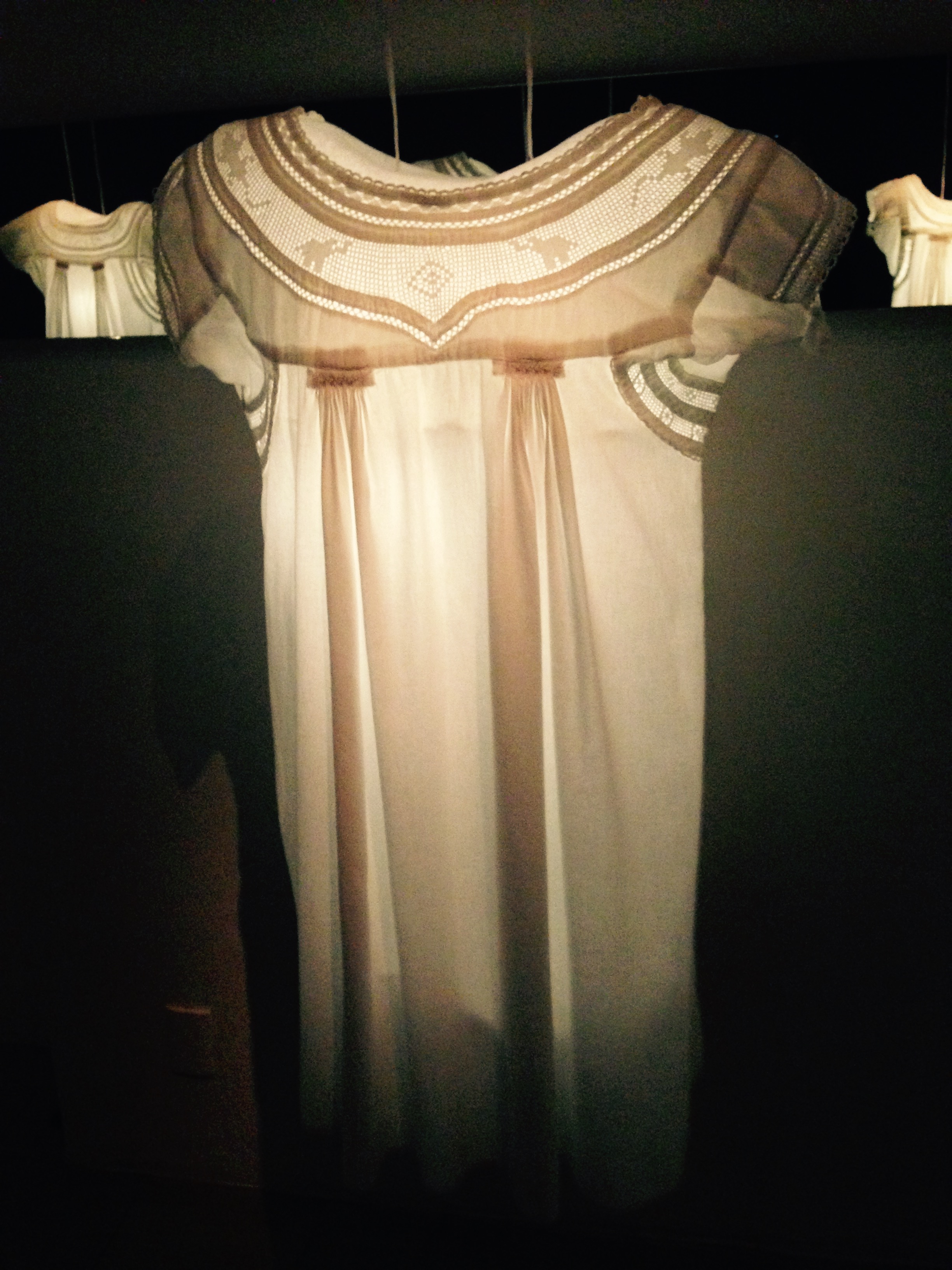
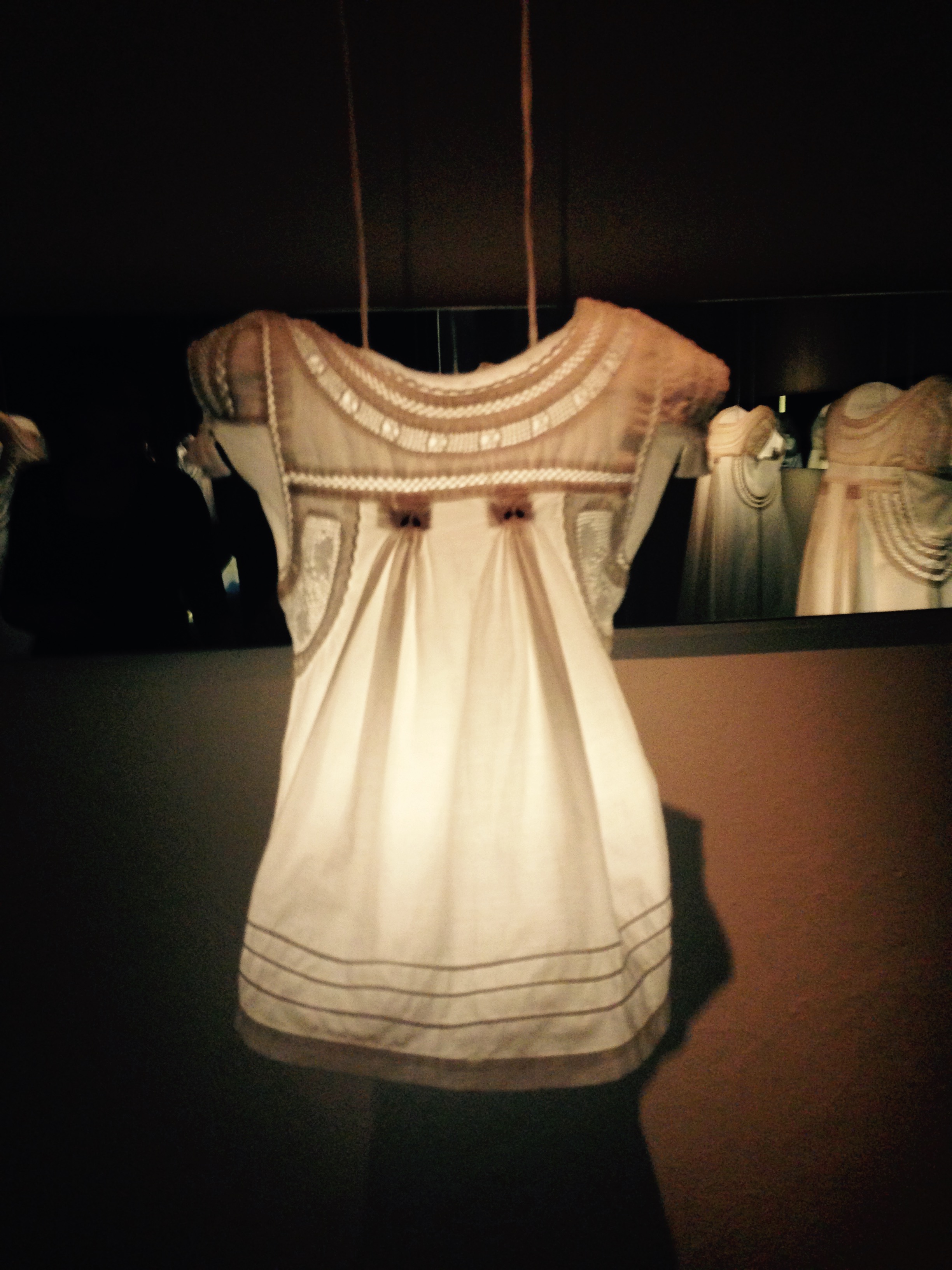
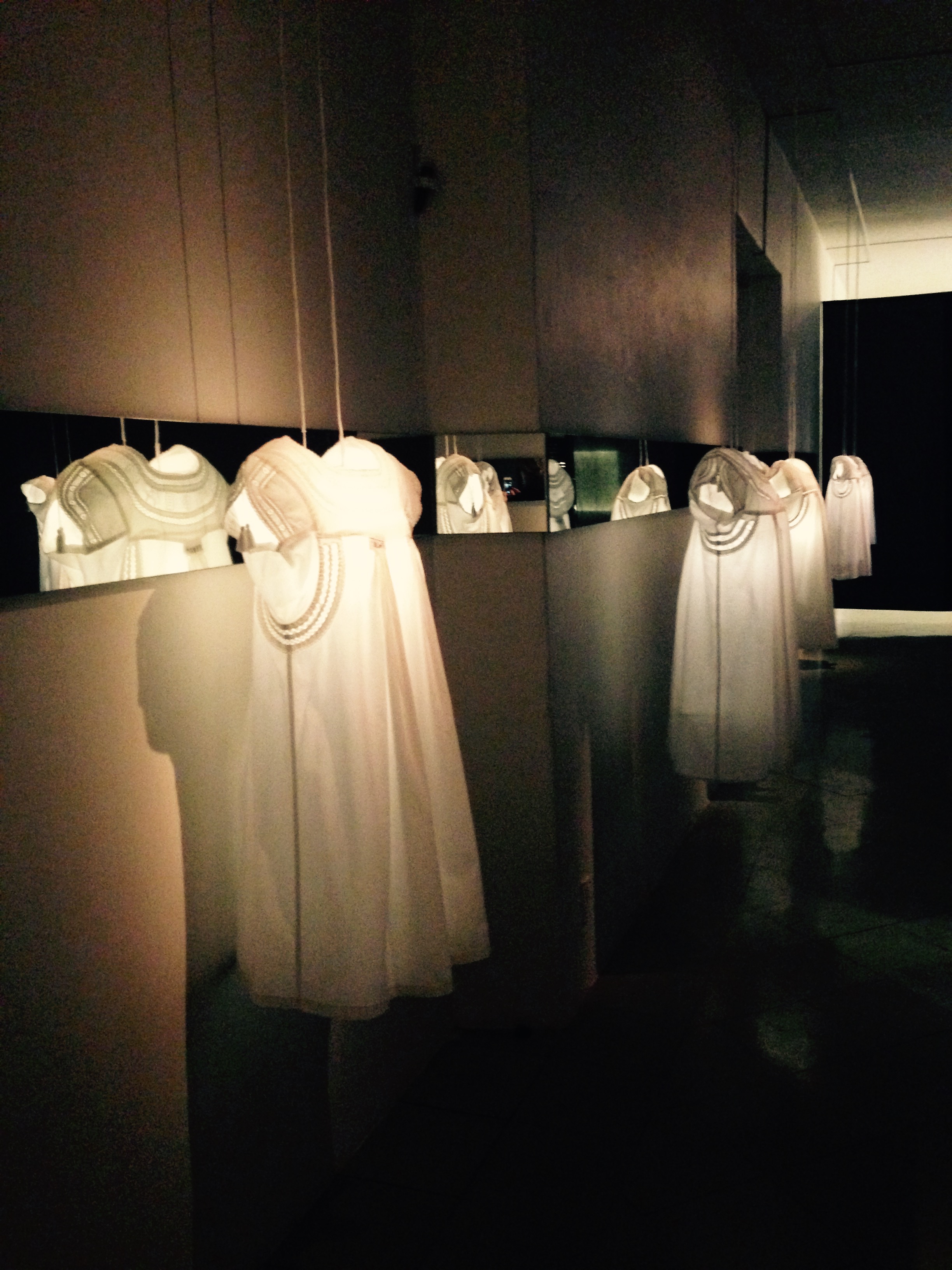
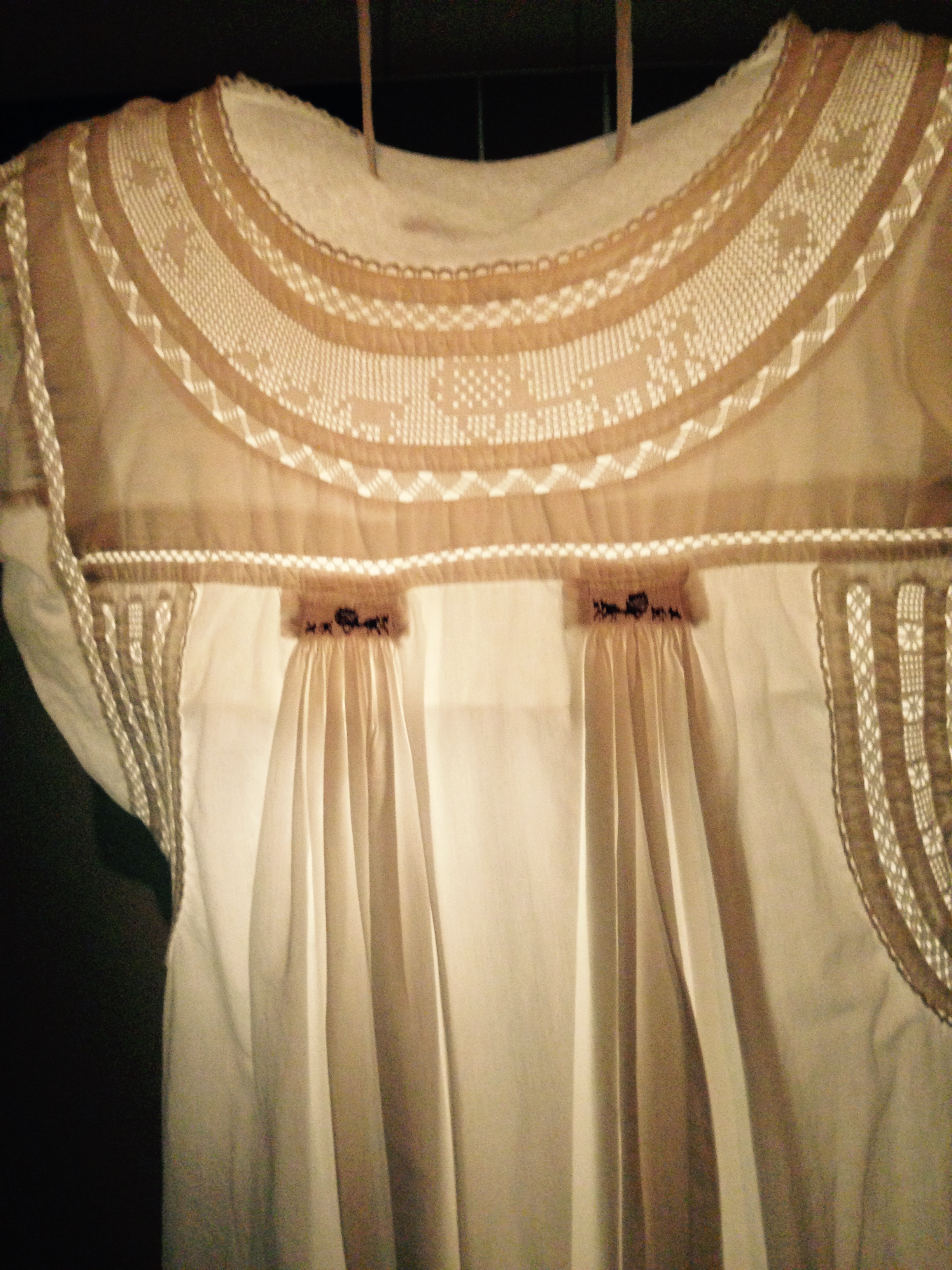
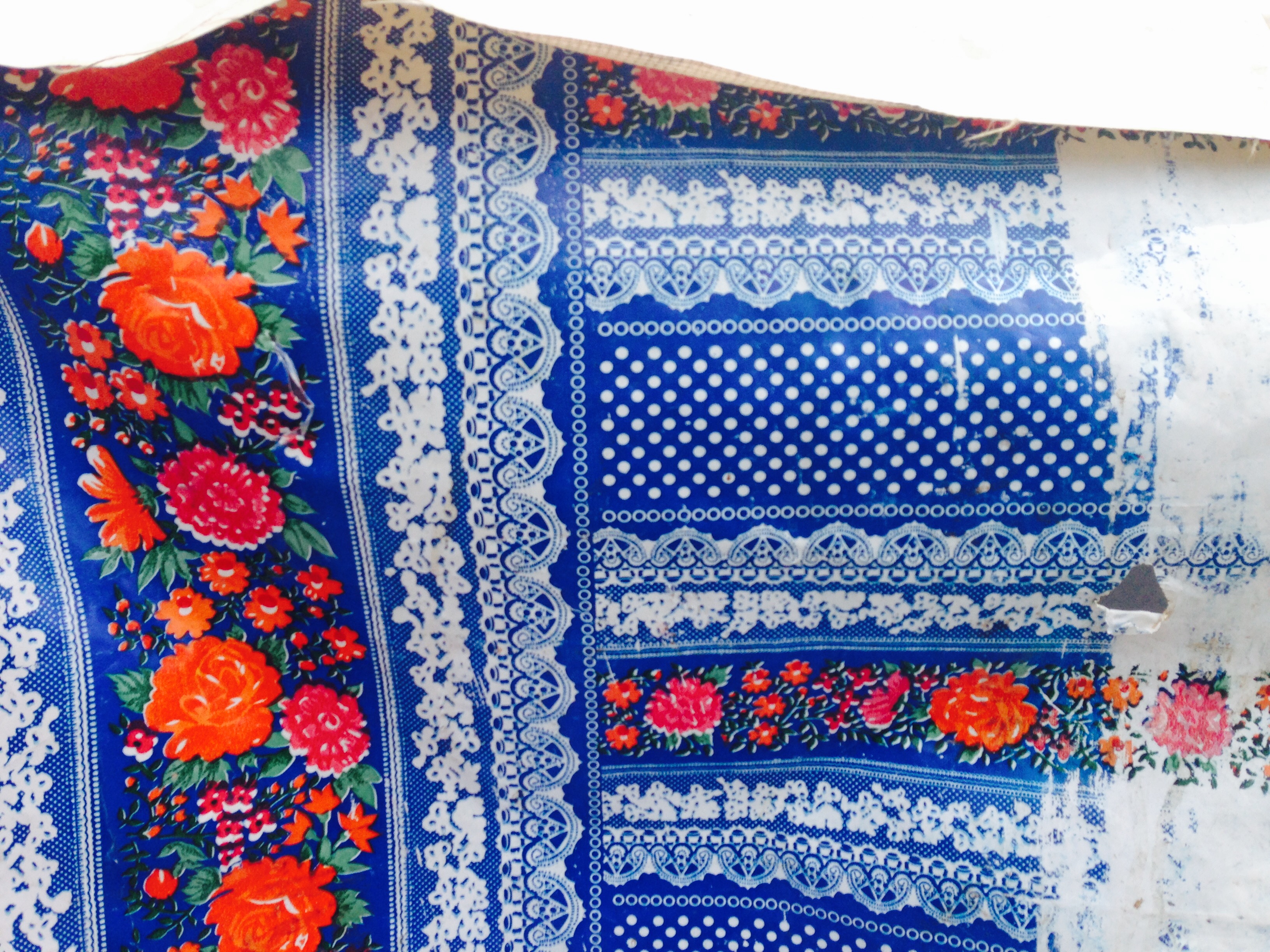
Textile Museum
Oaxaca, Mexico
Wedding Dress
BY MICHAEL WATERS
That Halloween I wore your wedding dress,
our children spooked & wouldn’t speak for days…
Black Earth
BY MARIANNE MOORE
…Black
But beautiful,
my back Is full of the history of power. Of power? What
Is powerful and what is not? My soul shall never
Be cut into..
Michel de Montaigne
OF EXPERIENCE
There is no desire more natural than that of knowledge. We try all ways that can lead us to it; where reason is wanting, we therein employ experience,
Per varios usus artem experientia fecit,
Exemplo monstrante viam,
[“By various trials experience created art, example shewing the way.”—Manilius, i. 59.]
which is a means much more weak and cheap; but truth is so great a thing that we ought not to disdain any mediation that will guide us to it. Reason has so many forms that we know not to which to take; experience has no fewer; the consequence we would draw from the comparison of events is unsure, by reason they are always unlike. There is no quality so universal in this image of things as diversity and variety. Both the Greeks and the Latins and we, for the most express example of similitude, employ that of eggs; and yet there have been men, particularly one at Delphos, who could distinguish marks of difference amongst eggs so well that he never mistook one for another, and having many hens, could tell which had laid it.

INSTITUTE OF MEDIEVAL AND EARLY MODERN STUDIES, DURHAM UNIVERSITY
6 – 7 November 2015
CALL FOR PAPERS
The Institute of Medieval and Early Modern Studies (IMEMS) at Durham University invites proposals for 20-minute papers on any aspect of the reception of Montaigne’s Essais in England and the larger Anglophone world, including Ireland, Scotland, and North America, during the first two hundred years following their initial publication in French.
Any approach to the study of Montaigne’s influence is welcome, including literary criticism, philosophy, theology, psychology, history of science, and history of the book. Authors to consider range from Bacon and Hobbes up to Locke and Hume, and include literary figures, as well, such as Florio, Cornwallis, Daniel, Shakespeare, Jonson, Burton, Browne, Dryden, Johnson, Pope, Swift, and Sterne. Early career academics and postgraduates are encouraged to apply, as well as more established scholars.
For consideration, please send a title, an abstract of no more than 200 words, and a one-page CV to montaigneinearlymodernengland@gmail.com no later than 1 August 2015.

Back in Oaxaca so revisiting red!
Red Ghazal
BY AIMEE NEZHUKUMATATHIL
I’ve noticed after a few sips of tea, the tip of her tongue, thin and red
with heat, quickens when she describes her cuts and bruises—deep violets and red.
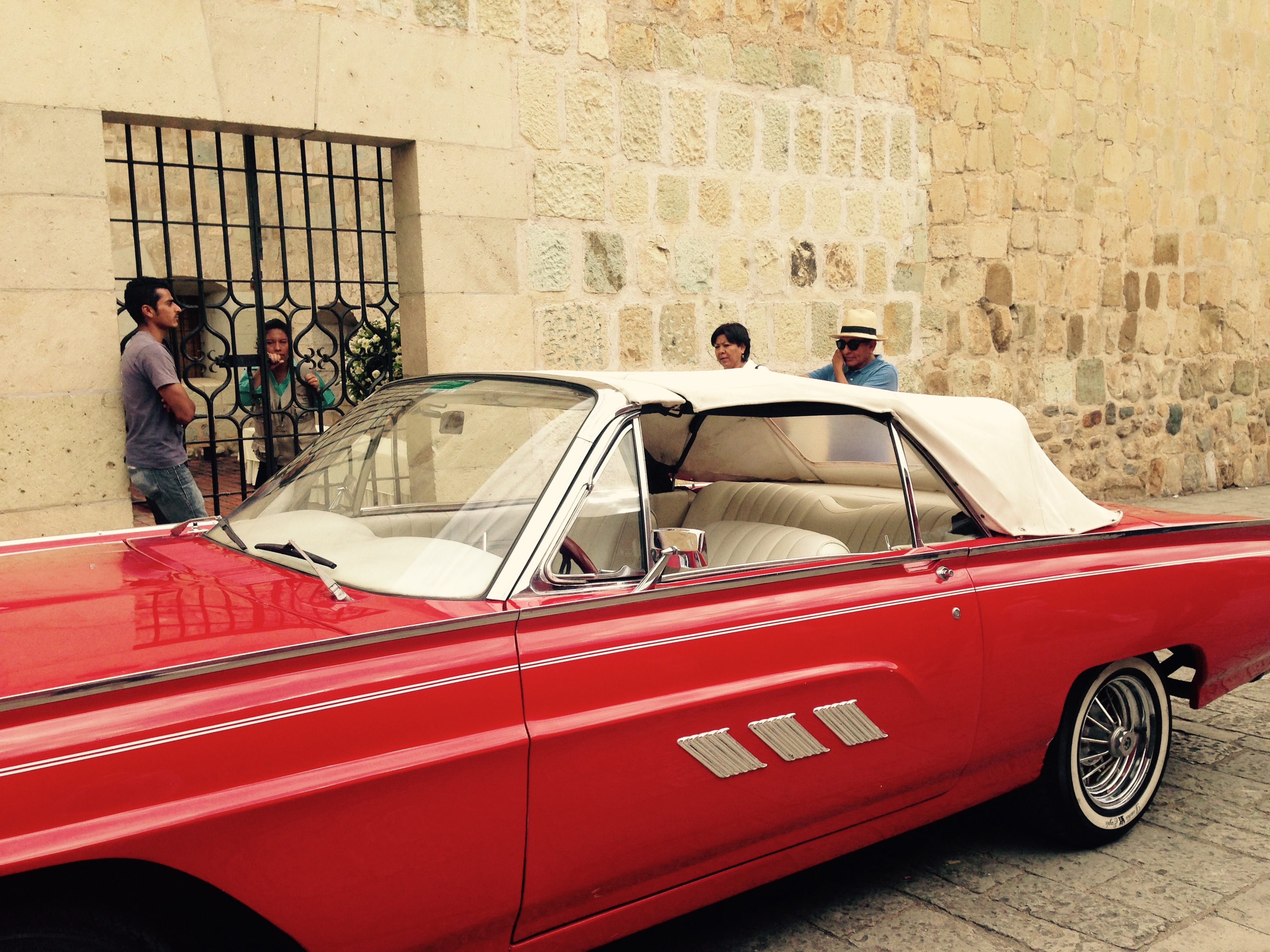
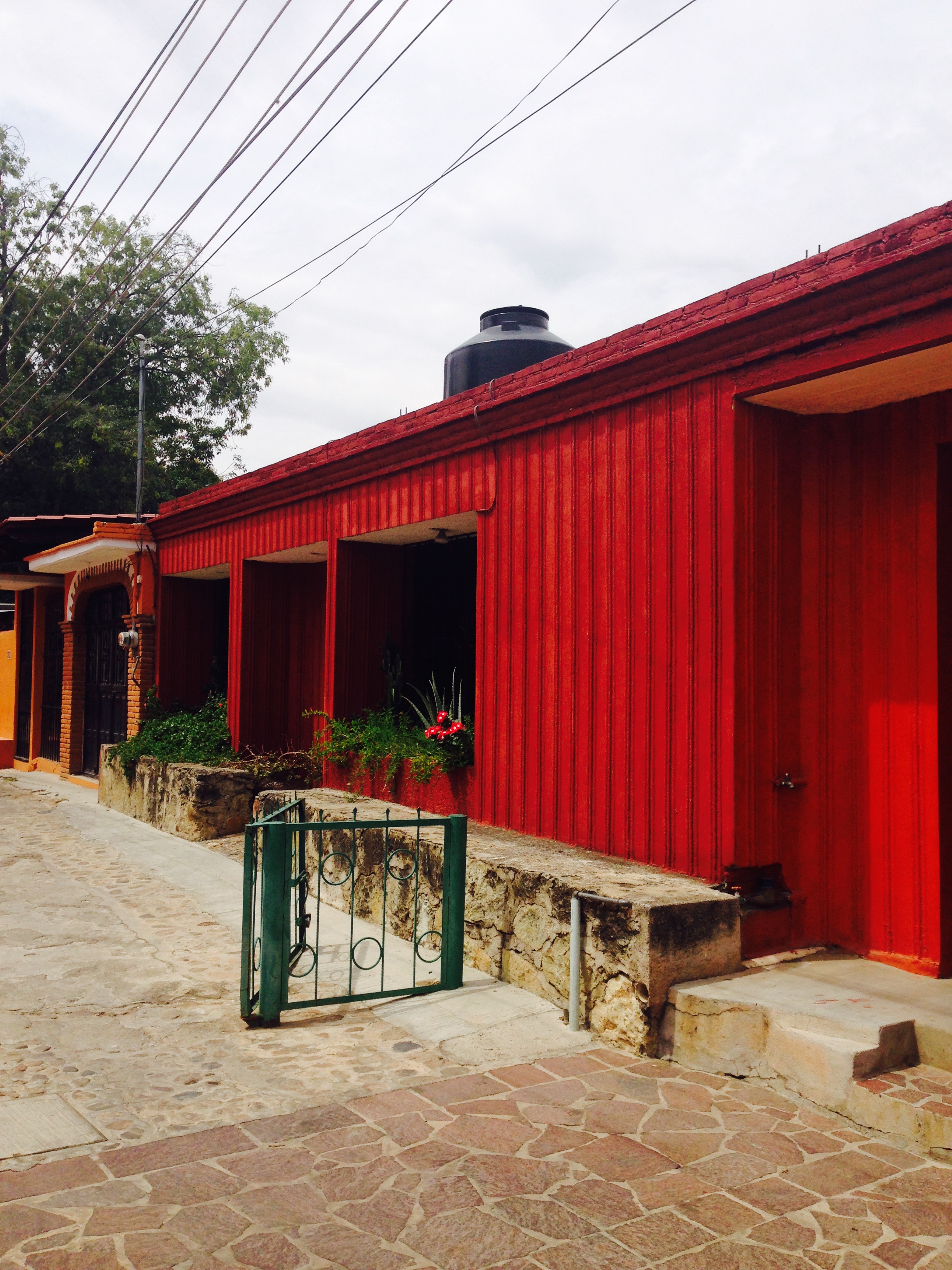
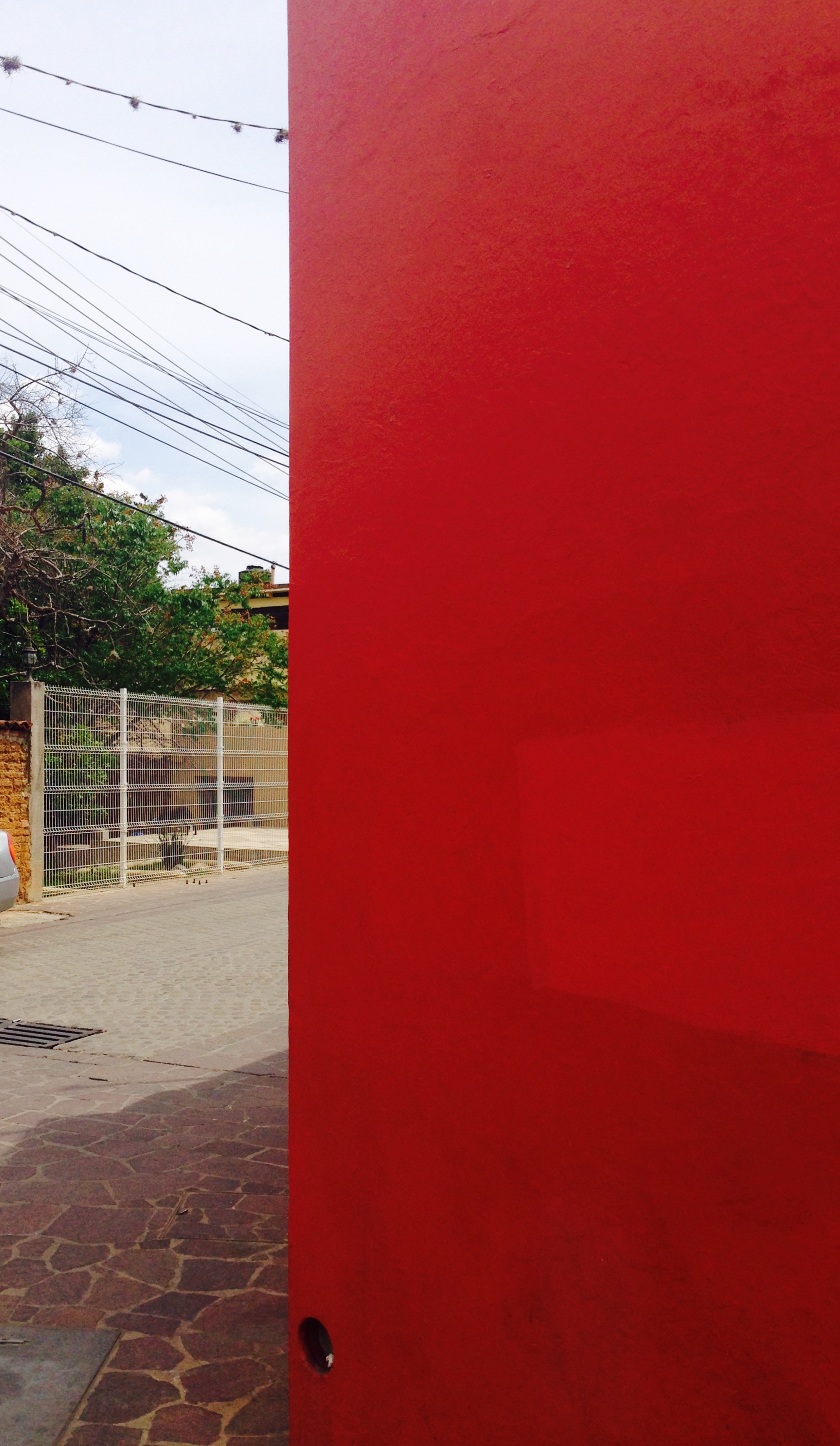
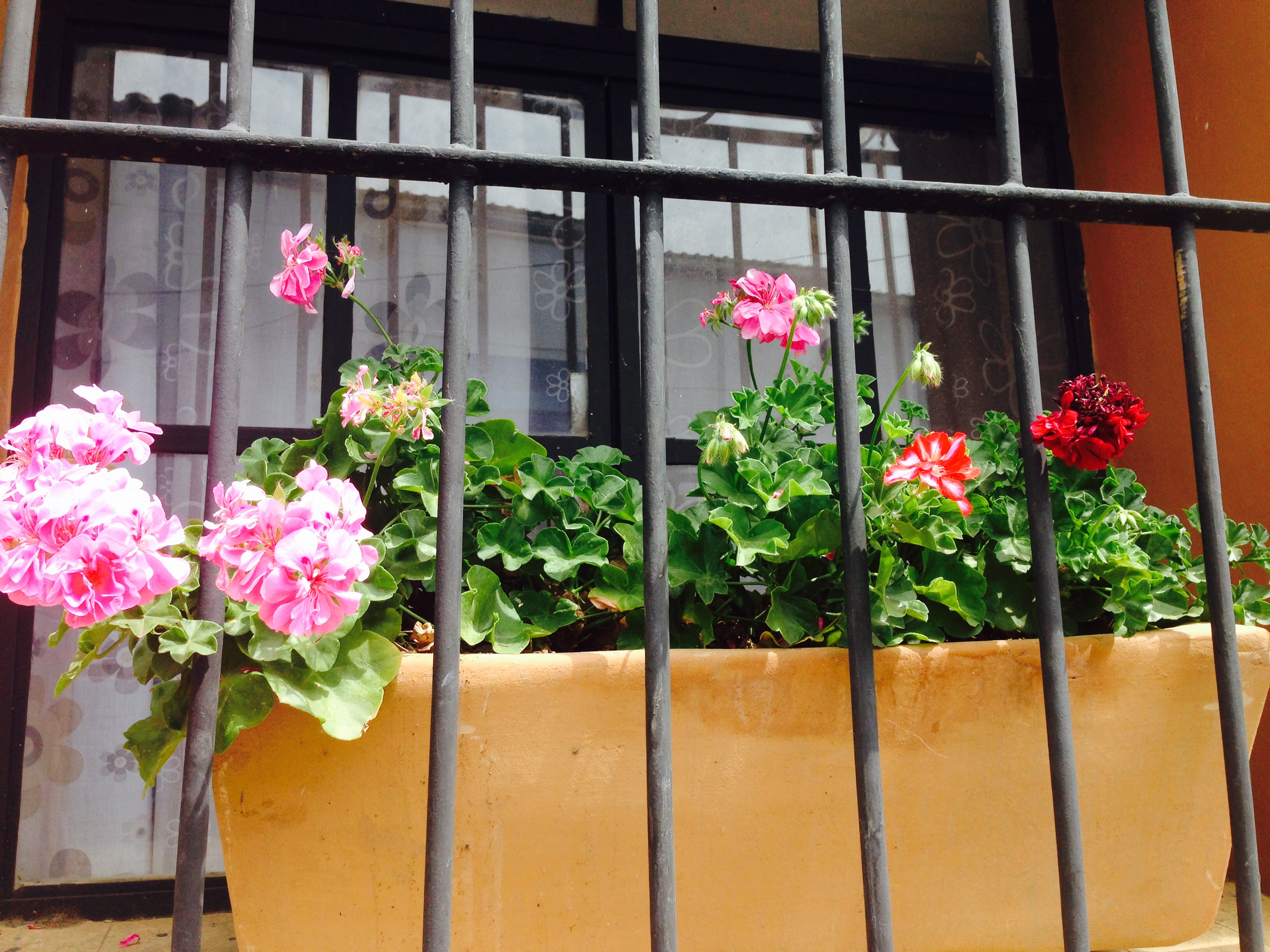
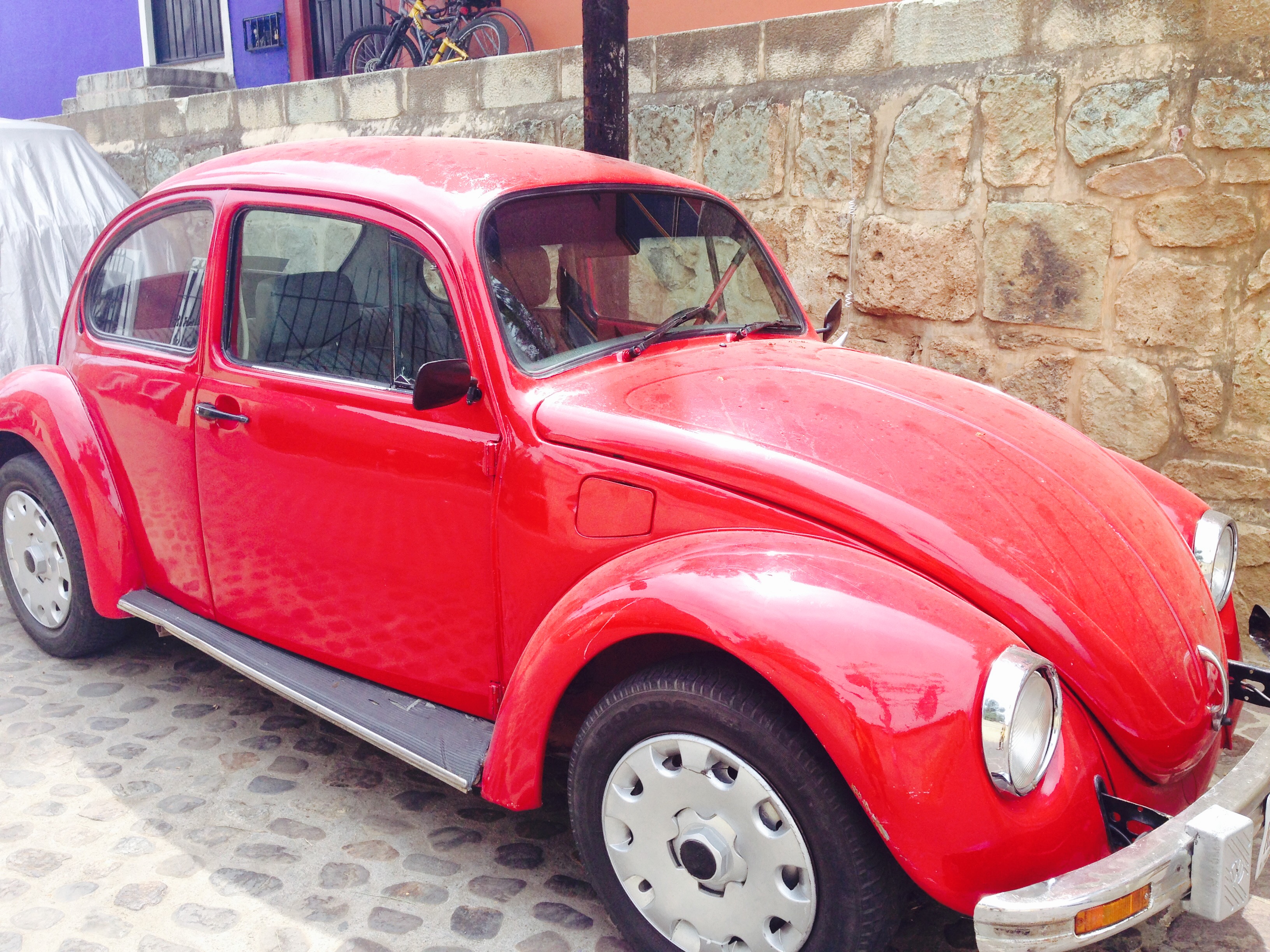
Red! I love the color—and the poetic form of the ghazal. It’s not difficult to find the color red in Oaxaca, Mexico—it’s everywhere! These are some quick shots I took on my iPhone Sunday morning while walking back to my apartment after breakfast. Just red!

I’m terrible at cards. Friends huddle in for Euchre, Hearts—beg me to play
with them. When it’s obvious I can clearly win with a black card, I select a red.
Hotel Lautréamont BY JOHN ASHBERY Children twist hula-hoops, imagining a door to the outside, when all we think of is how much we can carry with us. And what of older, lighter concerns? What of the river?
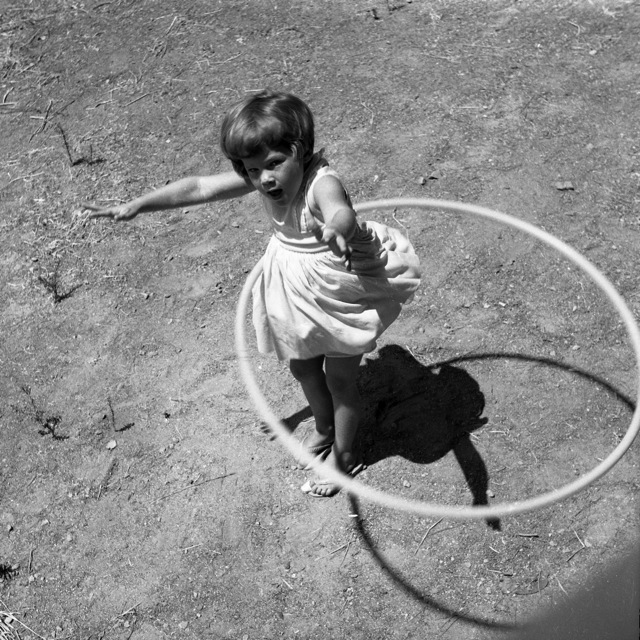
Recently I was subbing for a gym teacher at an Austin school and was surprised to see that “hooping” was part of the curriculum. Hooping? Ah, hula hooping. I remember that, or at least I thought I did until I began to demonstrate my hooping skills to the children. Disaster. Complete disaster. Ok, so you probably know this already but “hooping” is back—big time. Dusted off from the 1950’s, it’s been reenergized in the 2000’s. there are hooping classes, retreats, conferences, tutorials, and even classes on how to make your own hula hoop. Surprising? Not really, according to Hooping.org, the history of the hoop extends thousands of years back in time. Last night, a friend told me that she is into hooping. Apparently, a lot of folks are. I’m not sure if I’ll venture back to my hula hoop days but I’m glad the hula hoop took me to this lovely pantoum by John Ashbery.
Continue reading “Poetry at the Post: Hula Hooping With John Ashbery”
Becoming a Redwood
BY DANA GIOIA
Stand in a field long enough, and the sounds
start up again. The crickets, the invisible
toad who claims that change is possible,…

‘Moments of Becoming’ Conference
CALL FOR PAPERS
Moments of Becoming: Transitions and Transformations in Early Modern Europe
University of Limerick, Ireland, 20-21 November 2015.
The aim of this interdisciplinary conference is to explore the theme of ‘becoming’ in early modern European and Irish culture. The early modern period itself is often understood as a time of transition, but how did the people of the sixteenth to eighteenth centuries experience periods of transformation/transition in their own lives and work, and how were these processes accomplished and accommodated? Conference papers will explore changes to personal, professional, religious or political identity and identifications, as well as understandings of transformations of state, status and nature more broadly.
Plenary Speakers: Professor Daniel Carey, Professor Raymond Gillespie, Professor Alison Rowlands.
We invite proposals for 20-minute papers on themes that might include:
Transition in religion and politics
Religious conversion
Alterations to political sympathies
Migration and naturalisation
Becoming a soldier, priest, rebel, martyr, hero or villain
Personal transformations
Acquiring competencies, skills or professional training
Social mobility, upwards or downwards
Becoming a parent
Rites of passage
Transition and the supernatural
Death and movement to the next world
Magical and miraculous transformations
Textual and performative transformations
Responses to societal transitions in poetry and prose
Transforming texts via translation, printing or performance
The use of space and material culture in ceremonial/ritual contexts
Please submit an abstract of about 250 words to Richard Kirwan (Richard.Kirwan@ul.ie) or Clodagh Tait (Clodagh.Tait@mic.ul.ie) before 10th July 2015.
This conference will occur under the auspices of the Limerick Early Modern Forum of the University of Limerick and Mary Immaculate College. The conference is funded by the Irish Research Council New Foundations Scheme. The organisers plan to publish a volume of essays drawn from the conference papers.
Organisers: Dr Liam Chambers (MIC), Dr Michael J. Griffin (UL), Dr Richard Kirwan (UL), Dr Clodagh Tait (MIC).
Passages from Virgil’s First Georgic
BY ROBERT FITZGERALD
I. Until Jove let it be, no colonist
Mastered the wild earth; no land was marked,
None parceled out or shared; but everyone
Looked for his living in the common world.
CALL FOR PAPERS!
Music in the Time of Vergil Symposium Cumanum 2016 June 21-24, 2016
Director: Timothy J. Moore (Washington University in St. Louis)
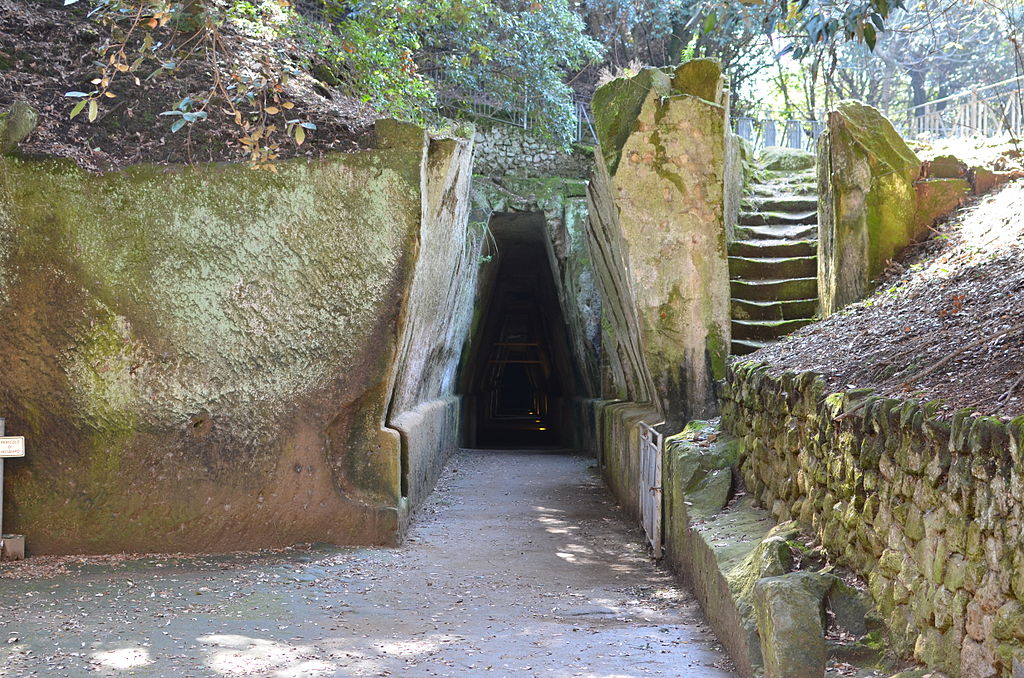
The Vergilian Society invites proposals for papers for the 2016 Symposium Cumanum at the Villa Vergiliana in Cuma, Italy.
The last twenty-five years have seen a marked increase in scholarship dedicated to ancient Greek and Roman music. These studies have tended to concentrate on music in the Greek world, or to Rome of the early to mid-Republic, the time of Nero, or late antiquity. Yet music clearly played a highly significant role in the life and literature of Augustan Rome. Vergil and his contemporaries refer repeatedly to singing and to musical instruments; the Augustan age marked important developments in pantomime, which was to become the most popular form of musical entertainment in the Empire; images of music appear often in Augustan art; and this period witnessed refinements in the music that accompanied private convivia. This conference will bring together scholars from across the world to evaluate the musical context of Vergil’s poems.

Papers might address topics such as theatrical music, music in Augustan literature, archaeological evidence for music, ways in which Augustans responded to the musical influence of Greece, or musical performances of Vergil’s works.
Papers will be 20 minutes long with ample time for discussion. The symposium will include three days of papers, discussion, and visits to Vergilian sites.

Presenters will include Andrew Barker (Keynote Address), Timothy Power, and Eleonora Rocconi.
Interested scholars should send an abstract of no more than 300 words to tmoore26@wustl.edu by December 1, 2015.
I sat in the sun
BY JANE HIRSHFIELD
I move my chair in the sun.
It’s dreary in Texas. Where has our sun gone? If I could find it, I’d move my chair, my body. My heart.
Sun photos from the past…

Philosophia Perennis
BY ANNE WALDMAN
I turned: quivering yellow stars in blackness…

“Philosophia Perennis” captures the core of “the everywoman,” the one who dreams of being the protagonist, the heroine.
Amidst “The dish, the mop, the stove, the bed, the marriage, “The picture changes & promises the heroine.”
I find this poem powerful—even more so when when I listen to Waldman read it aloud. The “I and I and…” is a mantra that emboldens my spirit.
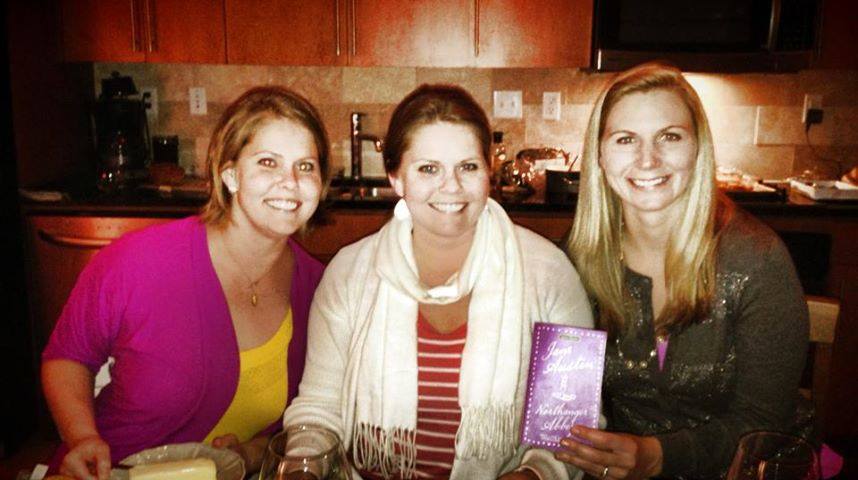
Catherine Morland of Jane Austin’s Northanger Abbey could probably relate.
By 17, she was an “heroine in training,” yet
“No one who had ever seen Catherine Morland in her infancy would have supposed her born to be an heroine.”

Come join us as we FINALLY read an epic about a WOMAN, in the Global Reading Group*, a virtual literary salon. We launch October 15th. And with “rambling houses, locked doors, and family secrets”—this is the perfect Gothic tale for those dark and spooky October nights.
Northanger Abbey is deliciously instructive, much like Waldman’s poem, “Philosophia Perennis.”
*One book a month.
The Duck and the Kangaroo
BY EDWARD LEAR
Said the Duck to the Kangaroo,
‘Good gracious! how you hop!
Over the fields and the water too,
As if you never would stop!

With so much rain and water in the desert Southwest, I keep thinking about ducks.
When I first read the poem, “The Duck and the Kangaroo,” I thought it was all nonsense. And, actually it is—a “nonsense poem” that is
 Masada (or Sebbeh) on the Dead Sea, Edward Lear, 1858, on display at the California Palace of the Legion of Honor
Edward Lear (1812-1888) was an English poet, illustrator and artist. He was also a wanderer. I am a wanderer too. Ah ha! Now the poem makes sense! “The Duck and the Kangaroo,” is about Edward—and me. We are “the duck.” We want to go somewhere else, always leaving home.
My life is a bore in this nasty pond,
And I long to go out in the world beyond!
I wish I could hop like you!’
Said the Duck to the Kangaroo.
Lear wandered for almost 40 years before establishing himself in a villa in San Remo,Italy.
Said the Kangaroo, ‘I’m ready!
All in the moonlight pale;
But to balance me well, dear Duck, sit steady!
And quite at the end of my tail!’
So away they went with a hop and a bound,
And they hopped the whole world three times round;
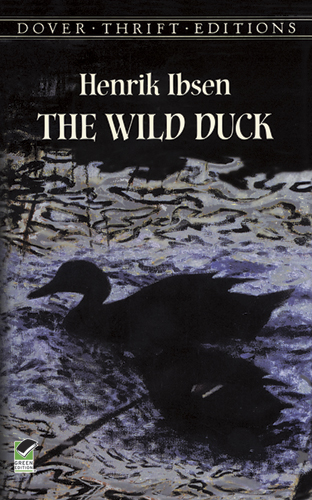
In “The Wild Duck,” a play by Henrik Ibsen, there is a duck and a son who leaves home yet returns after 15 years away. Ibsen’s play is a masterpiece; it is not silly at all. We will begin reading THE WILD DUCK in THE GLOBAL READIN GROUP-THE ANNEX, a virtual literary salon. It is free and open to all. Come join us! You can find out more here: https://alicecatherinej.com/the-global-reading-group-a-virtual-literary-salon/

 Alice-Catherine